Tragic Dog Attack Claims Lives of Four Alpacas on Cambridgeshire Farm
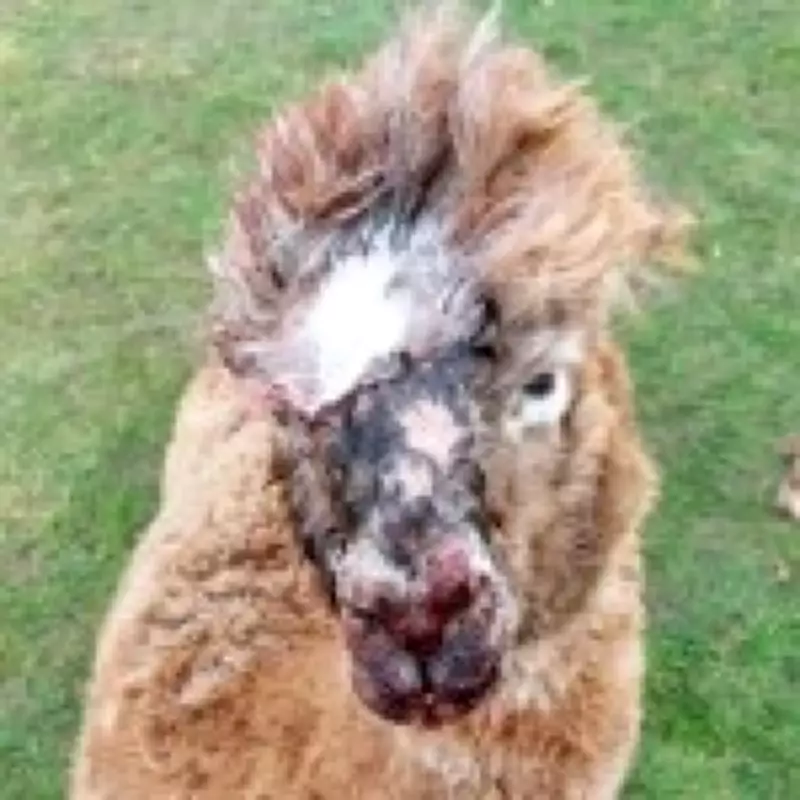
In a distressing incident that has shocked the rural community, four alpacas were mauled to death by two dogs at a farm in Wisbech St Mary, Cambridgeshire. The attack, which occurred in the early hours of March 24, also left two other alpacas with severe facial injuries requiring urgent veterinary care. Photographs from the scene reveal the grim aftermath, showing the injured animals with bloodied noses and patches of fur torn from their faces.
Police Investigation and New Legal Framework
The Rural Crime Action Team (RCAT) was alerted to reports of the attack at 6:30 a.m. and swiftly responded, seizing the dogs involved. Sergeant Tom Nuttall of the RCAT described the event as "extremely distressing" and commended the cooperation of both the victim and the dog owner. He emphasized that livestock worrying, which includes attacks on animals like alpacas, is a criminal offense under UK law. This case gains particular significance following the recent implementation of the Dogs Protection of Livestock Amendment Act 2025, which expanded the definition of livestock to include llamas and alpacas, offering them greater legal protection.
Rising Concerns Over Livestock Attacks
This incident marks the latest in a series of worrying attacks on livestock across the region, highlighting a growing issue for farmers and pet owners alike. Sergeant Nuttall issued a stern reminder to all dog owners to ensure their pets are kept secure and on a lead in rural areas to prevent such tragedies. The attack comes less than a month after new government legislation empowered police to detain dogs suspected of posing a threat to livestock, including cattle and sheep.
Guidance for Dog Owners and Farmers
The RCAT has provided comprehensive advice to mitigate future risks. For dog owners, this includes observing local signage and seasonal rules, regularly checking fences and gates to prevent escapes, and maintaining vigilance in rural settings. The team strongly advises allowing dogs off-lead only in areas free of livestock and urges immediate reporting to authorities via 101 if an incident occurs.
For farmers and landowners, recommendations include installing clear signage to inform walkers of legal obligations, positioning feeding troughs away from public paths, and considering deterrents such as electric fencing. Additionally, the use of CCTV to record evidence, photographing injuries, and covering carcasses to preserve DNA evidence are suggested measures to aid in investigations and enhance security.
This tragic event underscores the critical need for responsible pet ownership and robust farm security, as communities grapple with the emotional and economic impacts of livestock attacks. The ongoing investigation by the RCAT aims to bring clarity and justice to this case, while broader efforts continue to safeguard animals under the new legal protections.