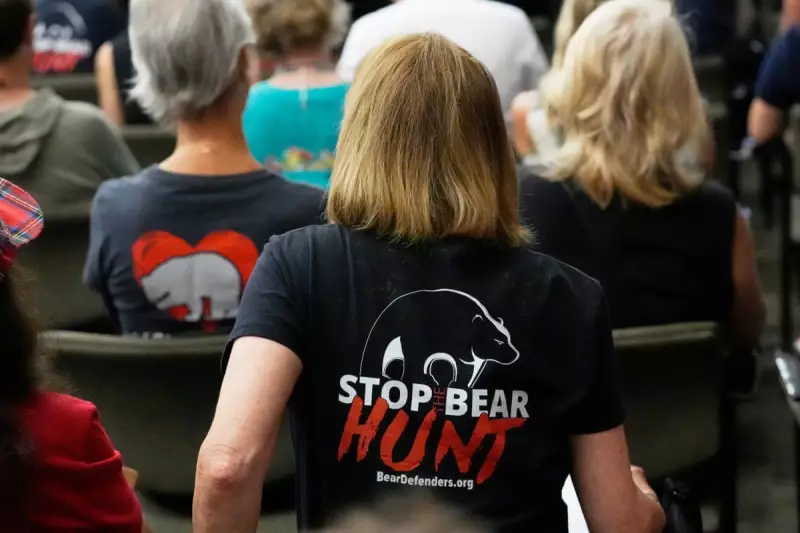
Florida's first sanctioned black bear hunt in a decade has concluded, with state officials reporting the deaths of 52 animals, a move that has sparked fierce condemnation from wildlife protection groups who labelled it a 'bloody spectacle'.
A Controversial Success for Officials
The Florida Fish and Wildlife Conservation Commission (FWC) announced the preliminary results of the hunt, which ran from 6 to 28 December 2025. The commission's executive director, Roger Young, stated the cull was 'rooted in sound scientific data' and was a success, aligning Florida with over 30 other states that use regulated hunting to manage bear numbers.
Officials argued the hunt was necessary to control a black bear population they say has rebounded from a few hundred in the 1970s to more than 4,000 today. The FWC issued 172 permits across four of its seven bear management zones, areas identified as having the most significant population increases.
Outcry from Animal Welfare Advocates
In stark opposition, groups like the Humane Society of the United States, represented in Florida by state director Kate MacFall, decried the hunt as based on flawed science. They pointed to a poll suggesting 81% of Florida residents oppose bear hunting, with even greater numbers against the use of bait and dogs.
'Seeing the photos of trophy hunters gloating over their slaughtered bears has been deeply upsetting for all Floridians who love Florida’s bears and want them protected,' MacFall said. She warned the decision, like a previous hunt in 2015, would 'haunt our state for years to come.'
Methods and Future Plans
While the controversial use of dog packs was not approved for the 2025 hunt, the FWC confirmed this method would be 'phased in' for future years. The commission permits practices including bait traps and archery. The final death toll of 52 bears was markedly lower than the 2015 event, which was halted after just 48 hours when nearly 300 bears were killed.
George Warthen, the FWC’s chief conservation officer, defended hunting as 'an effective tool for managing wildlife populations' and part of a long-term conservation model. Critics, however, accuse the state of waging a 'war on bears' driven by politics rather than ecology, referencing far-fetched claims by politicians about bear behaviour.
The FWC has promised a full harvest report with further details in the coming months.