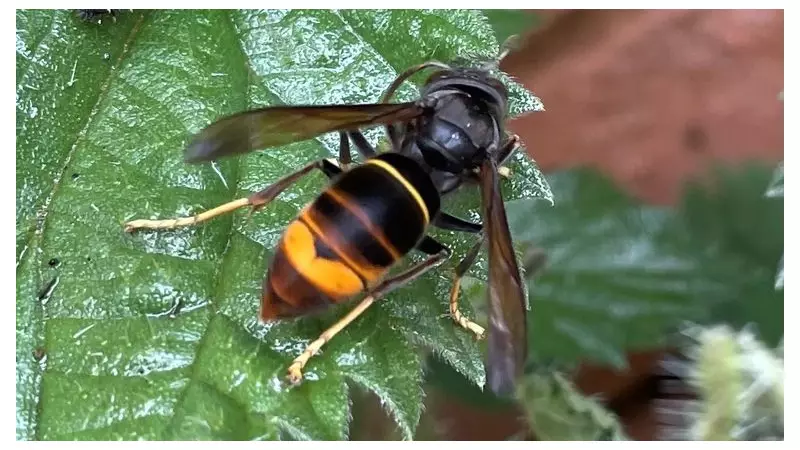
First Asian Hornet Nest Discovery in Wales Triggers Government Alert
The Welsh government has issued a public warning following the first confirmed discovery of an Asian hornet nest within Wales. This invasive species, also known as the yellow-legged hornet, was found near Wrexham in north Wales, marking a significant expansion of its presence in the UK.
Understanding the Asian Hornet Threat
Originating from east Asia, the Asian hornet was first recorded in Europe in 2004 and initially spotted in the UK a decade ago. While typically found in southern England during summer months, this nest represents the first verified instance in Welsh territory. The insect poses a particular threat as a predator of pollinators, capable of consuming up to 50 honeybees daily.
Despite this, authorities emphasise that Asian hornets are not generally aggressive towards humans and present no greater risk than native hornet species. They may sting if provoked, but the primary concern revolves around their impact on local ecosystems and bee populations.
Government Response and Public Vigilance
Although the discovered nest near Wrexham was dead, the finding has prompted immediate action from Welsh officials. Deputy First Minister Huw Irranca-Davies stated: "The National Bee Unit has years of experience tracking and locating yellow-legged hornets so their expertise will be invaluable in helping us take action against the insect in Wales."
The government is urging residents to remain particularly vigilant during the coming spring and summer months as warmer weather increases hornet activity. Officials have called upon both beekeepers and the general public to:
- Familiarise themselves with Asian hornet identification features
- Report any suspected sightings immediately
- Maintain heightened awareness during warmer seasons
Irranca-Davies added: "I'd like to thank beekeepers and members of the public who I know remain alert and continue to report suspected sightings. We need everyone to become familiar with what yellow-legged hornets look like."
Broader Implications and Monitoring
This discovery highlights the ongoing challenge of managing invasive species across the UK. The National Bee Unit's expertise will be crucial in monitoring potential spread and implementing control measures. While the current nest posed no active threat, authorities stress that early detection and reporting remain essential for preventing establishment of breeding populations.
The Welsh government's warning underscores the importance of community participation in environmental monitoring, particularly as climate patterns and seasonal changes may influence the distribution of non-native species across British regions.