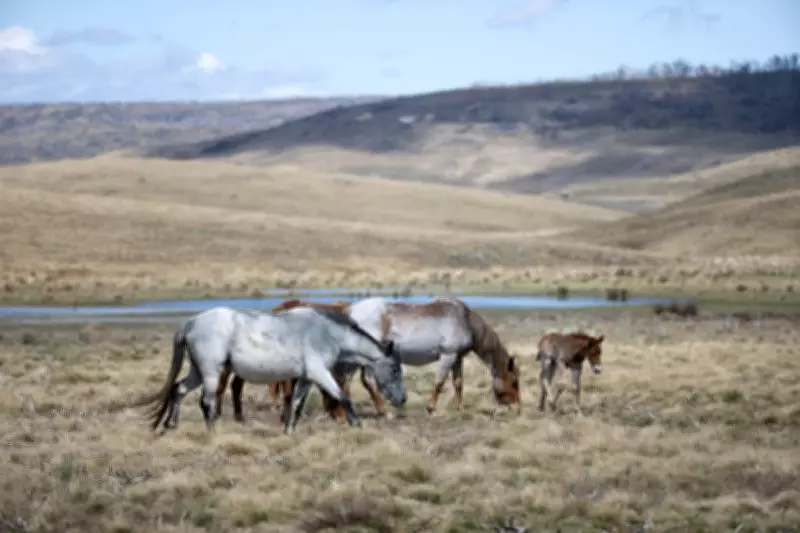
Feral horse numbers in Kosciuszko National Park have surged dramatically following a pause in aerial culling operations, according to a new survey. The population of brumbies, as they are commonly known, has increased by over 20% in the past year, raising alarms among environmentalists and park authorities.
Survey Reveals Significant Population Increase
The latest survey, conducted by the New South Wales National Parks and Wildlife Service, estimates that there are now more than 18,000 feral horses in the park, up from approximately 15,000 last year. This surge comes after a temporary halt in aerial shooting due to legal challenges and public outcry. The culling program, which aimed to reduce the horse population to protect native ecosystems, was suspended pending a review.
Environmental Impact Concerns
Environmental groups have expressed deep concern over the rapid increase in horse numbers. Feral horses are known to cause significant damage to fragile alpine ecosystems, trampling vegetation, compacting soil, and polluting waterways. The park is home to several endangered species, including the corroboree frog and the broad-toothed rat, which are threatened by habitat degradation.

Dr. Sarah Johnson, a ecologist at the Australian National University, stated: "The unchecked growth of the feral horse population is a disaster for biodiversity in the park. Without effective management, we risk losing unique species that exist nowhere else on Earth."
Legal and Public Opposition
The aerial culling program has been a contentious issue, with animal welfare groups and some Indigenous communities opposing the practice. In response to public pressure, the NSW government paused the program in late 2025 to explore alternative methods, such as fertility control and ground-based shooting. However, critics argue that these methods are slower and less effective at reducing numbers quickly.
Government Response
The NSW Environment Minister, Emma Green, acknowledged the survey results and emphasized the need for a balanced approach. "We are committed to protecting the park's environment while also considering animal welfare concerns. The review is ongoing, and we will announce a revised management plan shortly," she said.
Options being considered include:
- Resuming aerial culling with stricter oversight
- Expanding fertility control programs
- Increasing ground-based shooting by trained professionals
- Rehoming horses to sanctuaries or other areas
Future Outlook
With the horse population continuing to rise, experts warn that delay in action could lead to irreversible environmental damage. The park's management plan is due for an update later this year, and stakeholders are urging the government to make decisive choices. The situation highlights the ongoing challenge of balancing conservation goals with ethical considerations in wildlife management.