False Widow Spider Population Explodes Across London, Reaches Iconic Royal Site
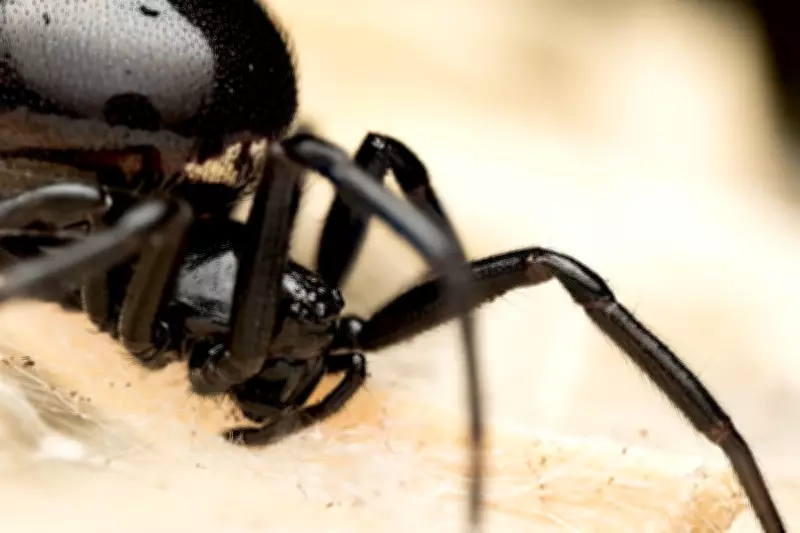
While discussions about Britain's north-south divide typically focus on cultural and economic disparities, a new ecological division has emerged involving venomous arachnids. According to recent data and expert analysis, false widow spiders are experiencing a dramatic population surge across the United Kingdom, with London becoming a particular hotspot for these potentially dangerous creatures.
Hospital Admissions Double as Spider Bites Increase Nationally
A comprehensive Freedom of Information request has revealed alarming statistics about spider-related medical incidents. Hospital admissions resulting from spider bites have precisely doubled throughout the UK over the last ten years. In 2025, the National Health Service recorded 100 hospital admissions specifically attributed to spider bites, representing a substantial increase from just 47 cases documented in 2015.
The data shows some fluctuation during the intervening years, with admissions dipping to 43 in 2021 before climbing sharply to 95 cases the following year. This upward trajectory indicates a growing public health concern that requires increased awareness and precautionary measures from residents across affected regions.

Ecological Shift Brings False Widows to London and Kent
Oxford University ecologist Clive Hambler has documented this significant ecological shift, noting that false widow spiders have become "hugely more abundant in Britain, particularly in the southern regions." These arachnids, often mistaken for their more dangerous black widow relatives, were historically confined primarily to southwestern England but have expanded their territory dramatically.
Redbridge Council in Ilford has issued official warnings to local residents about these eight-legged invaders. Their public statement explains: "False widows were generally only found in the south-west but recent mild winters have seen an increase in numbers in London and Kent." The council emphasized that while these spiders possess venom and can deliver painful bites, their danger level compares to that of a wasp sting, and the creatures typically display non-aggressive behavior toward humans.
Royal Gardens and Schools Affected by Spider Infestations
Perhaps most startlingly, Clive Hambler confirmed he has personally observed false widow spiders within the prestigious gardens of Buckingham Palace, suggesting these arachnids have infiltrated even the most iconic and carefully maintained spaces in the capital. The ecologist warned that false widows might carry harmful bacteria capable of causing severe medical complications including amputation, sepsis, and even death in extreme cases.
Hambler advocates for increased public awareness, stating: "I think spiders are wonderful things and they're very important in ecosystems, but you now need to treat spiders in Britain as you might in many other parts of the world – as something to be very respectful of." Historical incidents support this cautious approach, with nine schools in Newham temporarily closing in 2018 due to false widow infestations that required professional extermination services.
Scientific Perspectives on the Spider Surge Phenomenon
University of Galway zoologist Dr. Michel Dugon offers a somewhat tempered perspective on the situation, suggesting that increased media coverage about false widows might lead to misattribution of spider bites to this particular species. However, Dr. Dugon acknowledges the biological reality: "We know that those species indeed can actually bite, that they do have a preference to live in and around houses rather than in natural habitats, at least in the UK and Ireland."
This behavioral preference for human dwellings increases the likelihood of encounters between spiders and residents, particularly in urban environments like London where housing density creates ideal conditions for these adaptable arachnids. The combination of milder winters, abundant food sources, and suitable shelter has created perfect conditions for false widow population expansion across southern England.

As ecological patterns continue to shift, experts recommend maintaining vigilance while avoiding panic. Simple precautions such as checking shoes before wearing them, shaking out clothing that has been stored, and being observant in garden areas can significantly reduce the risk of unpleasant encounters with these increasingly common London residents.