In an unprecedented environmental success story, a once-barren island in Essex is now teeming with life, hosting a record-breaking 39,000 overwintering birds. This remarkable transformation of Wallasea Island is the direct result of an innovative project that repurposed 3 million tonnes of soil excavated during the construction of London's Elizabeth Line.
From Construction Site to Nature's Refuge
The Royal Society for the Protection of Birds (RSPB) purchased Wallasea Island in the mid-2000s with a grand vision: to create a sanctuary for wetland birds. The ambitious plan involved fundamentally reshaping the landscape. In a major engineering feat, the sea wall was deliberately breached in 2015, allowing seawater to flood the land for the first time in 400 years.
The project's scale required vast amounts of material to raise the ground level and create the perfect habitat. The solution came from an unexpected source: the tunnels of the Elizabeth Line. Over several years, the soil dug from beneath London was transported to Essex, providing the foundation for new islands, lagoons, and salt marshes.
A Record-Breaking Avian Population
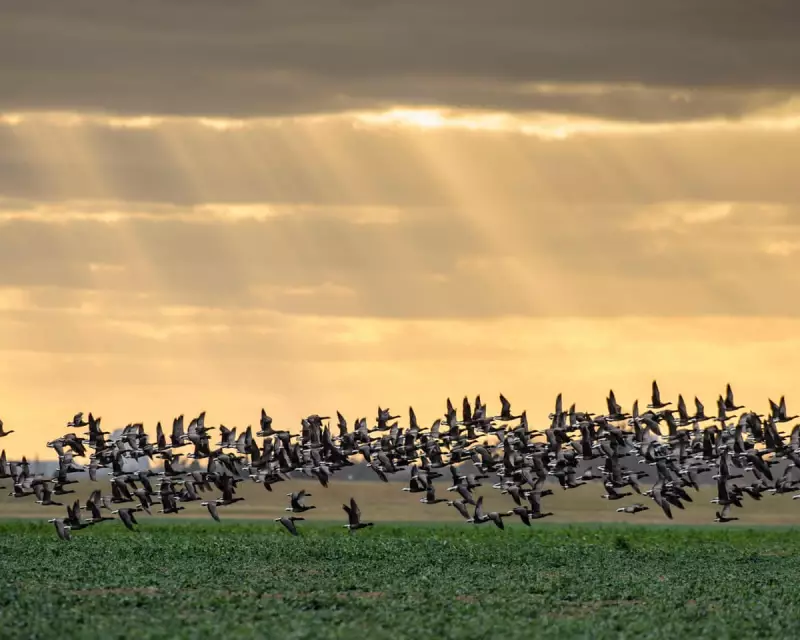
The results have been nothing short of spectacular. Where once there were few birds, Wallasea now buzzes with activity. The current population includes 800 avocets, more than 10,000 knot waders, nearly 3,000 grey plovers, and a similar number of bar-tailed godwits. The sight of Brent geese taking flight from the fields has become a common one, symbolising the island's rebirth.
Rachael Fancy, the site manager, recalls the dramatic change. "When I first started working at Wallasea it looked an awful lot like a construction site," she said. "But just 10 years on, there’s no evidence of the diggers or trucks. There’s just thousands and thousands of birds who now use it as a refuge, shelter and nursery for their chicks. It’s an almost unbelievable transformation."
A Blueprint for Future Collaboration
This project stands as a powerful example of how major infrastructure development and ecological restoration can work in harmony. By finding a productive use for what would have been waste material, the collaboration between the RSPB and Transport for London (TfL) created a double victory.
Milo Sumner, Coastal Programmes Manager at RSPB England, hailed the partnership. "Wallasea shows what’s possible when business has an ethos of working with, and alongside, nature," he stated. "The creation of the Elizabeth line was one of the most ambitious infrastructure projects in decades, and by collaborating we were able to create a win for nature and people."
Beyond providing a home for wildlife, the new wetland area also serves a vital practical purpose for the local human population, offering natural protection against coastal flooding by absorbing storm waters. The story of Wallasea Island proves that with vision and collaboration, even the most ambitious dreams for nature can take flight.