Dogs can tell the difference between fearful, angry, and sad human faces, according to a new study that used brain scans to reveal how our canine companions process emotional cues. The research, published in the journal Animal Cognition, provides the first direct evidence that dogs have a dedicated neural mechanism for recognizing human emotions, a skill that likely evolved through thousands of years of domestication.
How the Study Worked
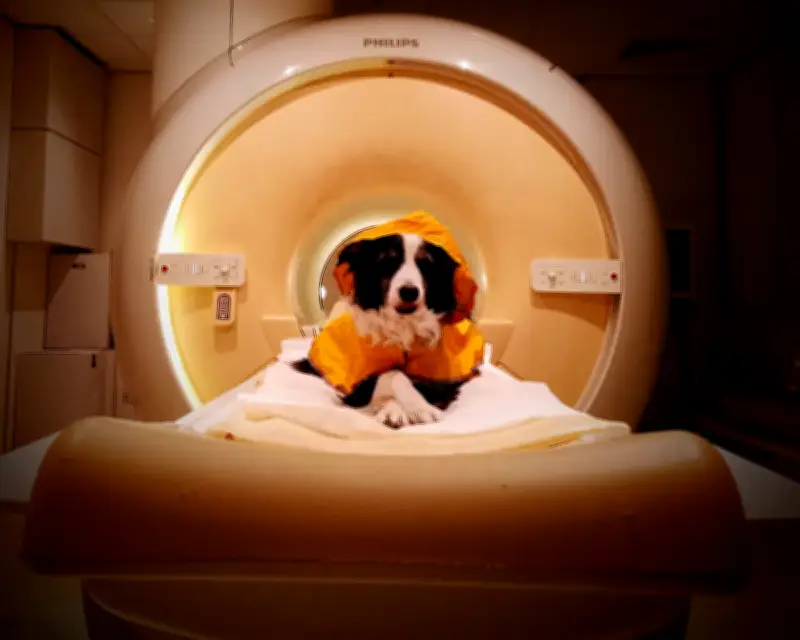
Scientists at the University of Helsinki in Finland trained 12 dogs to lie still inside an MRI scanner while they were shown photographs of human faces expressing different emotions. The images included neutral, happy, fearful, angry, and sad expressions. The dogs' brain activity was recorded as they viewed each image, with particular attention paid to the temporal lobe, a region associated with face processing in both humans and other animals.
The researchers found that different emotions triggered distinct patterns of neural activity in the dogs' brains. Specifically, the amygdala, a structure involved in emotional processing, responded differently to each emotional expression. Fearful faces produced the strongest response, followed by angry and then sad faces. Neutral faces produced the weakest response.
Key Findings and Implications
"This is the first time we have been able to show that dogs have a specialized brain network for processing human emotions," said Dr. Katriina Tiira, a lead researcher on the study. "The fact that they can distinguish between different negative emotions suggests they are not just responding to a general 'threat' signal but actually understanding the specific emotional state of the person they are looking at."
The study also revealed that dogs process human faces in a way that is remarkably similar to how humans process each other's faces. The same brain regions that light up when humans view emotional faces also activate in dogs, albeit with some differences. For example, dogs rely more on the right hemisphere, while humans tend to use both hemispheres equally.
Why This Matters for Dog Owners
These findings have practical implications for dog owners and trainers. Understanding that dogs can accurately read our emotions may help improve training methods and strengthen the human-animal bond. "If we know that a dog can tell when we are angry or sad, we can be more mindful of our own emotional states when interacting with them," Tiira explained. "This could reduce stress for both the dog and the owner."
Moreover, the research could inform therapies that use dogs to support people with mental health conditions. Dogs' ability to detect subtle emotional changes might make them even more effective as emotional support animals, as they can respond appropriately to a person's mood.
Future Research Directions
The team plans to expand the study to investigate whether dogs can also distinguish positive emotions, such as happiness and excitement, and whether certain breeds are better at reading human emotions than others. They also hope to explore how dogs' emotional recognition abilities develop with age and experience.
"We have only scratched the surface," Tiira said. "Dogs have lived alongside humans for tens of thousands of years, and their ability to understand us is likely far more sophisticated than we ever imagined."