My Garden of a Thousand Bees: A Transformative Journey into the World of Urban Insects
In the heart of urban Bristol, during the unprecedented spring and summer of 2020, veteran wildlife photographer Martin Dohrn embarked on an extraordinary project that would ultimately reshape his entire worldview. His documentary, My Garden of a Thousand Bees, offers a breathtakingly intimate look at the diverse bee species thriving in his modest back garden, capturing moments of wonder, struggle, and unexpected companionship.
A Photographer's Profound Connection with Bees
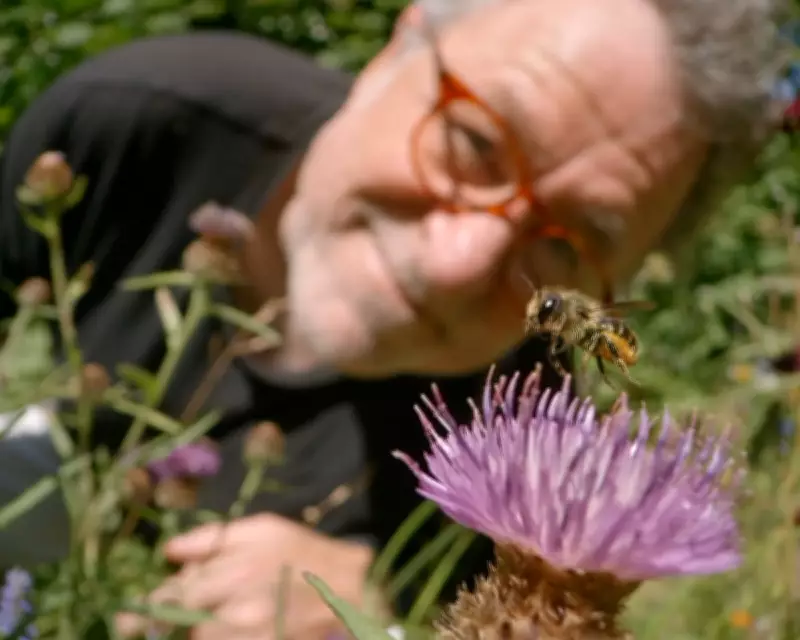
Dohrn, peering through his distinctive red-framed glasses from his gadget-filled kitchen, expresses a deep, almost inexplicable bond with these remarkable insects. "I really feel for bees. They're my friends," he confesses, setting the tone for a film that explores themes of unlikely companionship and the hidden complexities of nature. With over sixty different bee species frequenting his urban oasis, Dohrn employed expertly modified bumble-cams to document their lives in stunning detail.
The documentary introduces viewers to an array of fascinating bee characters. The wool carder bee displays fierce aerial combat skills despite its bald back, while the ashy mining bee moves with an exhausted waddle, its washed-out pelt reminiscent of a weary bumblebee. The red-tailed mason bee showcases remarkable architectural ingenuity, constructing nests within empty snail shells and topping them with dried-grass wigwams that would impress even the most discerning design enthusiast.

Technological Marvels and Bee Perspectives
Through state-of-the-art magnifying lenses and innovative filming techniques, Dohrn reveals bees existing in what he describes as "a completely different dimension." His time-stretching approach to cinematography produces gasp-inducing visual detail, accompanied by soundscapes that blend the bustling energy of a heliport with the distant murmur of drunken lawnmowers. The film itself adopts a pleasantly bee-like quality, drifting leisurely through the garden while collecting and storing fascinating facts like pollen in pouches.
Unlike traditional nature documentaries heavy with statistics and percentages, Dohrn's narrative embraces a more personal, elliptical approach. While acknowledging the global decline of bee populations with the simple observation that "all over the world, bees are declining," the film focuses more on emotional connection than environmental lecturing. Dohrn appears throughout as an affable, often awestruck observer, wearing crumpled action shorts and addressing viewers as "mate" while sharing his discoveries.
The Unforgettable Story of Nicky the Leafcutter Bee
The documentary's emotional centerpiece arrives with an industrious leafcutter bee named Nicky, with whom Dohrn develops a particularly strong bond. Leaning toward her nest with his nose filling the screen like a nostrilly Jupiter, the photographer becomes convinced of mutual recognition. "I could tell she was looking at me. Does she know these are my eyes?" he wonders aloud, citing scientific evidence that honeybees can recognize individual humans.
Dohrn's response to his garden's housing shortage demonstrates both creativity and compassion. He constructs Bee City, a remarkable multicultural metropolis assembled from wildflowers and wood scraps, complete with starter homes, perfumed A-roads where teenage bees wrestle, tower blocks for tiny scissor bees, and capsule hotels where male mason bees peer out like businessmen assessing the weather. This microcosm of bee society serves as a subtle reminder of nature's delicate balance.
A Life-Altering Lockdown Experience
The documentary reaches its poignant conclusion as Nicky, after building four nests in rapid succession as a single mother, eventually abandons her efforts and flies off into the summer sky. Dohrn peers disconsolately into her deserted apartment, reflecting on how his lockdown project has fundamentally transformed him. "I had no idea I was going to get so involved," he admits, before revealing that the experience has "changed my view of bees" and ultimately "changed my view of the world."

My Garden of a Thousand Bees stands as a testament to the profound connections possible between humans and nature, even in the most urban environments. Through Dohrn's visionary photography and deeply personal narrative, viewers gain not just insight into bee behavior, but a renewed appreciation for the small wonders that surround us daily, reminding us of the importance of preserving these delicate ecosystems for generations to come.