Last week, a Thames Water representative visited to inform us that our household was using more water than average. I explained that we have young children, which means constant laundry and baths—one of my few indulgences. We don't own a car to wash, nor do we use a hose in the garden. The visitor left us with a small hourglass equipped with a suction pad. Now, each morning, my husband and I compete to finish our showers—brushing teeth, washing and conditioning hair—in under four minutes.
The Case for Water-Conscious Gardening
I've never been overly generous with watering the garden, partly due to climate anxiety and, frankly, laziness. This approach is now trending. Resilient, drought-tolerant, and water-conscious gardens have been featured on Main Avenue at the RHS Chelsea Flower Show for the past decade, even if volunteers are often seen frantically watering plants during the event. Meanwhile, a heated debate over dry and gravel gardening in backyards reflects our desire to cope with increasingly unpredictable rainfall and the need to conserve water. Even without that visit, news of a global water bankruptcy crisis should make us think twice before turning on the hose.
Water Harvesting and Simple Solutions
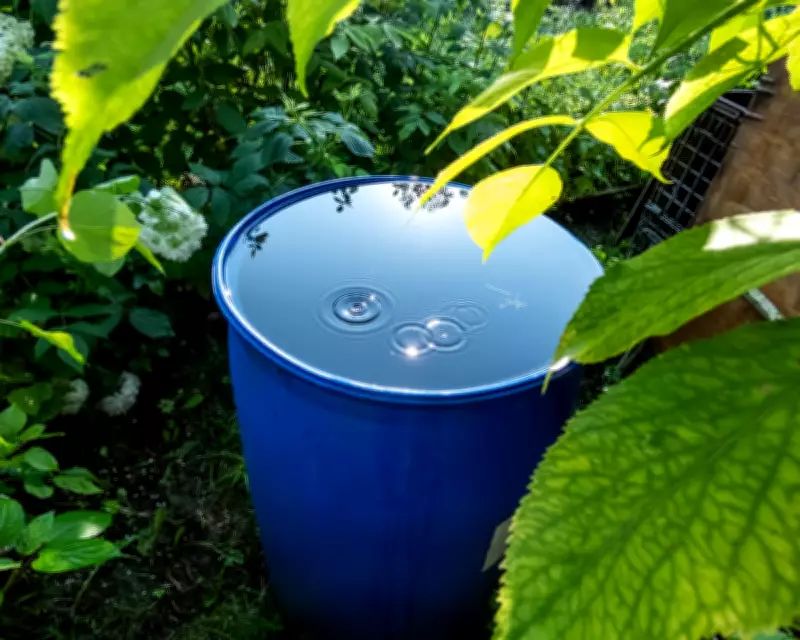
Water harvesting can help us make the most of winters that are now much wetter than they used to be—a strong argument against leaning towards Mediterranean plants to suit hotter summers. The UK Water Reuse Association offers extensive knowledge on large-scale water harvesting, which is worth exploring if you plan to renovate your house or garden. However, nearly everyone can install water butts, not just on the house but also on sheds and any outbuilding with a roof.

Letting Plants Adapt
Much of water-conscious gardening involves simply not watering. Mulching your soil with organic matter as the year warms up can improve water retention. Choosing drought-tolerant plants—the RHS provides a planting guide—also reduces the need for watering. Starting a garden with smaller, younger plants rather than larger, thirstier ones allows them to establish and adapt to lower water use over time. While most plants need watering when newly planted to develop longer root systems, letting them adjust to drier conditions once established results in more resilient plants in the long run. Yes, it's tough to see them wilt, but many will adapt to survive with less cosseting.
Just think of all the things you can do once you reclaim that watering time.