
Cyclone Narelle's Devastating Toll on Western Australia's Marine Life
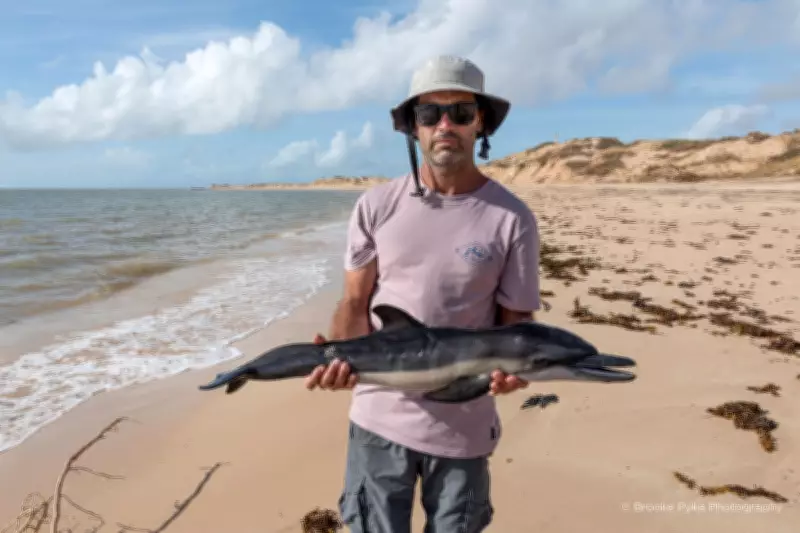
The aftermath of Tropical Cyclone Narelle has left a heartbreaking scene along Western Australia's coastline, with Graveyards beach near Exmouth transformed into a literal graveyard of marine life. As floodwaters receded and winds calmed, locals discovered thousands of dead baby turtles, turtle eggs, fish, sea snakes, dolphins, and seabirds strewn across the sand.
A Harrowing Discovery on the Shoreline
Brinkley Davies, a local conservationist and founder of the Balu Blue Foundation, described the scene as "disturbing" and emotionally overwhelming. "I'm a pretty positive person, but it was so bad. I just rescued whatever I could," Davies recounted. The devastation extended across hundreds of kilometers of the world heritage-listed Ningaloo coastline, according to state government assessments.
Photographer Brooke Pyke, who documented the aftermath, struggled to articulate the scale of destruction. "It's hard to put into words actually," Pyke said. "It was pretty devastating. Harrowing." She theorized that marine animals requiring surface access for breathing faced particularly exhausting conditions during the cyclone's peak intensity.
Emergency Wildlife Response and Climate Concerns
In the days following the cyclone, Davies transformed her home and driveway into an impromptu wildlife sanctuary, caring for more than 70 seabirds and other animals. While many birds were "too far gone" to save, volunteers successfully nursed more than 20 back to health for release. This emergency response highlighted the urgent need for permanent wildlife care facilities in the region.
"A lot of people have been saying this is just nature," Davies noted. "But I think we've affected the climate so much that I don't think this is just nature." Her concern echoes climate experts' observations that global heating likely contributed to Cyclone Narelle's intensification before landfall.
Historical Storm with Widespread Impact
Cyclone Narelle marked a historic weather event as the first storm to make landfall as a severe system in three different Australian states and territories since Tropical Cyclone Ingrid in 2005. As a severe category four system passing Exmouth, it delivered wind gusts reaching approximately 250km/h.
Riley Carter, a wildlife officer at the WA Department of Biodiversity, Conservation and Attractions, reported hundreds of dead shorebirds across Exmouth beaches and approximately 30 dead cetaceans. "We have had reports of dead turtles, dolphins, snakes and other wildlife across hundreds of kilometres of coastline," Carter confirmed. Helicopter assessments and veterinary teams have been deployed to address immediate animal welfare concerns.
Threats to Ningaloo's Coral Ecosystems
The cyclone's path directly affected northern sections of the Ningaloo coastline and its vulnerable coral reefs. This comes just one year after an unprecedented marine heatwave caused the worst recorded mass coral bleaching event along more than 1,000km of Western Australia's coastline, resulting in two-thirds of Ningaloo's corals perishing.
Dr. James Gilmour, a senior research scientist at the Australian Institute of Marine Science, explained that cyclones can smother corals in sediment, increasing disease susceptibility. The large-scale death of marine organisms also raises the risk of harmful algal blooms that can further damage coral ecosystems.
"Entire sections of reef can be lifted and corals can be scarred and literally sandblasted or buried under rubble," Gilmour warned. The timing proved particularly unfortunate as corals were in their spawning season, leaving them energy-depleted and less capable of removing sediment.
Gilmour expressed concern about shrinking recovery windows for coral ecosystems. "We are becoming concerned about the windows of recovery. You need five or ten years and we worry greatly how many of these windows will remain," he stated, noting that corals surviving last year's bleaching event had already been weakened before facing Narelle's impact.



