How to Create a Nature-Friendly Garden: Essential Tips for Wildlife Sanctuary
Gardening with wildlife in mind benefits everyone, including birds, bees, and local ecosystems. Inspired by David Attenborough's Secret Garden, these easy and enjoyable tips can turn your outdoor space into a sanctuary for nature. Instead of rushing to tidy up your garden this spring, consider that soil debris and decaying materials often harbor life, such as overwintering insects, larvae, pupae, and eggs. Removing these elements can disrupt habitats, leading to fewer birds and other wildlife.
Leave Your Hedges Alone
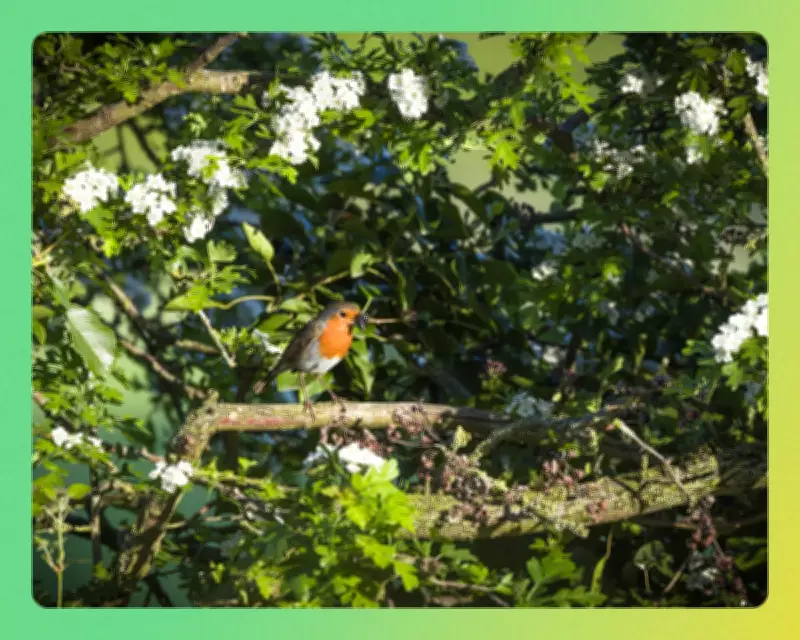
Maintaining hedges by hand with tools like hedge trimmers and a sturdy ladder, rather than using power tools, allows you to observe and protect nesting birds. April marks the start of bird nesting season, so check for activity before trimming; if detected, wait until August when fledglings have left. A well-kept hedge can become a haven for house sparrows, blackbirds, wrens, and robins, fostering biodiversity.
Ensure a Supply of Water
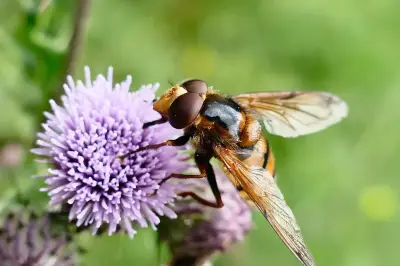
Providing unpolluted freshwater is crucial for wildlife. Create a pond with soft, sloping edges and marginal plants, or opt for a container version using old industrial containers. For smaller spaces, place dishes of water with pebbles for bees and butterflies to land on. Installing a water butt not only offers free soft water for plants but also creates additional habitats; adding willow wands can help bees access water.

Sow Wildflowers on Your Balcony
If you have limited space like a balcony or windowsill, ditch struggling herbs and sow wildflowers instead. They thrive in exposed conditions without fancy compost and attract bees regardless of height. Consider adding a container pond to surprise visitors with increased wildlife activity.
Feed the Birds and Insects
Instead of relying on bird feeders, which can spread diseases, let your garden itself become a food source. Allow flowers like dandelions, teasels, and sunflowers to set seed, attracting species like goldfinches. Ivy growing on fences or walls provides berries and shelter for multitudes. For insects, maintain pesticide-free soil, create compost from fallen leaves, and consider sand piles for bees. Avoid manufactured pesticides and opt for organic practices to support a healthy ecosystem.
Create a Hedgehog Highway
Hedgehogs need porous boundaries to move freely. If you have a wooden fence, make holes to allow easy crossing, potentially decorating them to hide snagged edges. This simple step enhances connectivity for wildlife in urban areas.
Make Your Garden Feel Like Home
Beyond food and water, create habitats in overlooked spots like under pavers, sheds, or bin stores. Use sand or recycled rubble for hard landscaping instead of concrete, and turn waste piles into artful features with plants like prostrate rosemary. Log piles offer shelter for insects and small animals, balancing ecosystems by hosting both slugs and slug-eating beetles.
Get the Right Tools
Gardening for wildlife can be thrifty and sustainable. Use recycled materials, borrow tools, or forage for resources. Building bird and bat boxes from leftovers or swapping seeds and skills with neighbors promotes community engagement and environmental stewardship.
By embracing these practices, your garden can hum with life, from dandelions and wildflowers to buzzing bees, creating a joyful and ecologically rich environment. Remember, a nature-friendly garden is not just about aesthetics but about fostering biodiversity and supporting local wildlife throughout the seasons.