
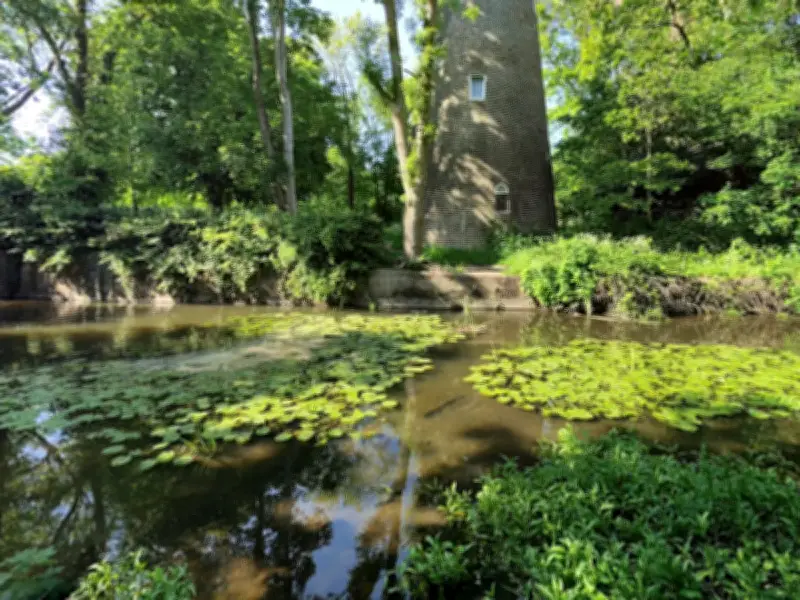
Crane Park in Twickenham, West London, once notorious for a viral photograph of a rubbish-strewn bench, has transformed into a thriving wildlife haven following a major restoration of the River Crane. The restoration, completed earlier in 2026, has not only rejuvenated the natural environment but also reshaped the park's reputation, attracting nature enthusiasts and families alike.
From 'Most Depressing Bench' to Restoration
In 2021, a photograph shared on Twitter of a park bench smothered in rubbish went viral, prompting Richmond Council leader Gareth Roberts to describe the sight as "depressing." The image drew widespread criticism from locals, and the Friends of the River Crane Environment (FORCE) identified the bench as a persistent trouble spot, calling for additional park patrols. The negative attention highlighted the park's decline at the time.
However, the narrative has shifted dramatically. Volunteers have spent hundreds of hours cleaning up the River Crane in recent years, and a major restoration project at nearby Mereway Nature Park, completed earlier in 2026, has breathed new life into the area. The river was removed from its concrete channel, and natural banks were restored, leading to improved water flow, increased water storage capacity, and richer habitats for plants and wildlife.
A Thriving Ecosystem and Visitor Attractions
The result is a lush, natural space that has quickly become a favourite destination for wildlife enthusiasts. Along the River Crane, fortunate nature-spotters may see up to seven species of bats, water voles, kingfishers, adders, eels, tawny owls, and even glow worms. The restoration has created a haven for these species, making the park one of the most ecologically significant green spaces in west London.
At the heart of Crane Park itself sits Crane Park Island, where visitors can find woodland, scrub, ditches, ponds, and reedbeds on the site of the once notorious Hounslow Gunpowder Mills. Managed by the London Wildlife Trust since 1986, the reserve is now home to many important and rare species. Walkers are greeted by the striking Shot Tower at the reserve's entrance, a Grade II listed building formerly used for lead manufacture and now restored as a visitor centre, open to the public Tuesday to Sunday.
Family Activities and Amenities
For families, the park offers a packed programme of activities including river dipping, pond dipping, and minibeast hunting. A nature trail winds through the reserve, and the popular Thirst Off All mobile café is on hand from Tuesday to Sunday, 9am to 5pm, serving hot and cold drinks and snacks. These amenities make the park an inviting destination for a peaceful walk or an educational outing.
The transformation of Crane Park underscores the positive impact of dedicated restoration efforts, turning a once-criticised space into a thriving natural asset for the community. With the weather cooling down, the park now offers an ideal opportunity for Londoners to enjoy fresh air and observe the diverse wildlife that has returned to the area.



