
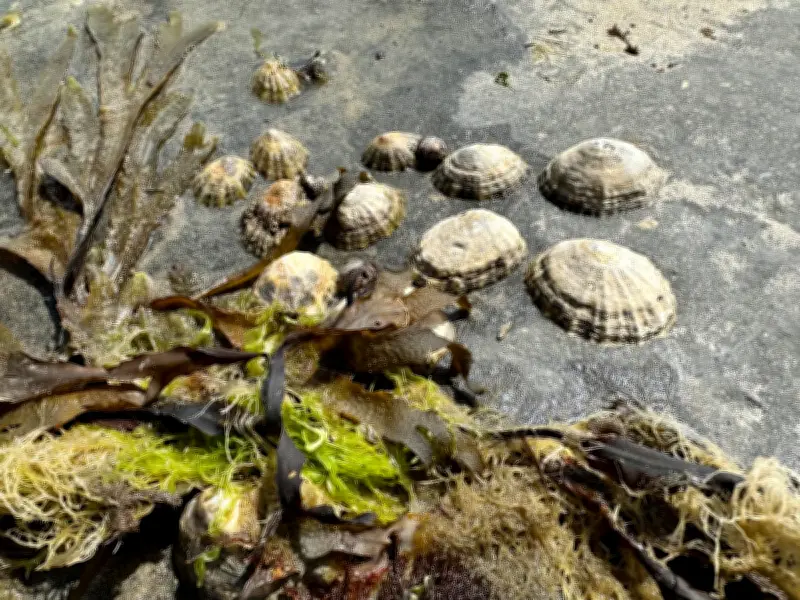
At Lyme Regis, the beloved East Cliff beach is a haven for marine life, but summer holidays bring a threat: children unknowingly smashing limpets. Sara Hudston, a Guardian Country Diary contributor, witnessed two incidents where kids killed limpets while adults did nothing, highlighting a need for education.
East Cliff: A fragile ecosystem
East Cliff, accessible only at low tide via a 114-step walkway, is a unique spot where wild scrub meets the sea. The path descends through a tangle of buddleia, sallow, hazel, and gorse, with blackberries ripening and stonechats calling. The beach below reveals a tidal rock platform thick with periwinkles, limpets, and barnacles—a perfect place for paddling, but also a vulnerable habitat.
During a recent visit, Hudston saw a child using a fossiling hammer on a limpet, mistaking it for a rock. The mother smiled, unaware of the harm. Hudston intervened, saying, "She's hammering a limpet, which is a live creature," but the child continued. This was the second such incident in weeks; earlier, at Battery Rocks in Penzance, a boy was seen eviscerating a limpet while adults watched, one even joking about vegans protesting.
The impact of ignorance
Limpets are vital to the ecosystem, grazing algae and providing food for birds. Their slow growth and long lifespans make them particularly vulnerable to disturbance. On busy beaches, increased footfall and child play can lead to significant mortality, disrupting the balance of the intertidal zone.
As Hudston notes, "As adults it's up to us to guide kids' natural curiosity so it becomes care for the living world." Education is key; teaching children that these are live creatures fosters respect for marine life.
Call for awareness
The incidents highlight a broader issue of marine conservation education. Beachgoers often overlook the creatures underfoot, but simple awareness could prevent harm. Local authorities and conservation groups could place signs or run activities to inform visitors about the importance of these species.
Hudston's experience is a reminder that holidays are a time for learning, not just leisure. By understanding the lives of limpets and other shore creatures, we can ensure future generations treasure, not trample, the coast.



