Chiffchaffs Signal Early Spring Arrival in Britain Amid Climate Shifts
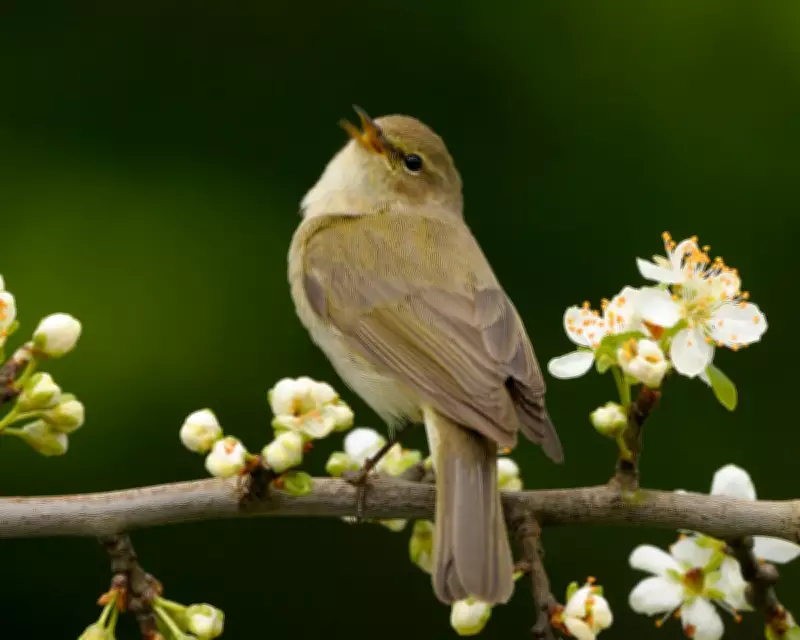
This spring, chiffchaffs have begun appearing in Britain several days earlier than their typical schedule, with bird reporting systems indicating unmistakable signs of a mass arrival. The cheerful two-note song of this small migratory warbler traditionally heralds the true onset of spring for many bird enthusiasts, much like the calls of the kittiwake and cuckoo, which are also named for their distinctive sounds.
Changing Winter Habits Due to Milder Conditions
Historically, chiffchaffs have spent winters far closer to home compared to other warblers, with most migrating to Spain, Portugal, or north-west Africa. This contrasts sharply with their close relative, the willow warbler, which undertakes a much longer journey across the Sahara to southern Africa and typically returns to Britain in early April, two to three weeks later than chiffchaffs.
However, a series of exceptionally mild winters in southern Britain—a direct consequence of the global climate crisis—has led some chiffchaffs to abandon migration altogether. These birds are now wintering near their breeding grounds, often in areas close to water where small insects remain abundant throughout the season.

Unseasonable Warmth Accelerates Spring Appearance
The unseasonably warm spell experienced in mid-March, combined with these altered wintering behaviors, explains why chiffchaffs made their appearance earlier than usual this spring. The British Trust for Ornithology's Birdtrack reporting system documented clear evidence of a mass arrival, with chiffchaff reports surpassing those of other traditionally early-arriving species such as sand martins and wheatears.
By late March, chiffchaffs had become the most frequently heard singing bird on many daily routes, with observations indicating roughly one bird per mile in some areas. This prevalence suggests that, at least for now, this species is adapting more effectively to the rapid changes brought by climate breakdown than some other wildlife.
The shift in chiffchaff behavior highlights broader ecological impacts of climate change, offering a tangible example of how warming temperatures are reshaping migration patterns and seasonal rhythms in Britain's avian populations.