The administration of California Governor Gavin Newsom is pushing to relax stringent controls on the most toxic rat poisons, a move that comes in direct contradiction to a new state report documenting the widespread, unintentional poisoning of wildlife across the region.
State Report Reveals Alarming Wildlife Casualties
This controversial proposal emerges alongside fresh data from the California Department of Fish and Wildlife, which shows that anticoagulant rodenticides are harming dozens of species. The report indicates that approximately 83% of tested bald eagles had detectable levels of the poison in their blood. Endangered California condors, mountain lions, hawks, owls, bears, and bobcats have also been significantly affected.
These findings follow a landmark 2024 state law, the Poison Free Wildlife Act, which mandated strict limits on these substances. The law required California's Department of Pesticide Regulation (DPR) to maintain restrictions until data proved that populations of non-target animals had recovered from the poisonings.
"Gruesome" Deaths and a Broken Food Chain
Environmental advocates have condemned the proposed regulatory rollback. Jonathan Evans, a senior attorney with the Center for Biological Diversity, described the move as indicative of strong industry influence. "You have one agency tracking decades of data showing continued harm, and another trying to roll back the very laws designed to stop it," Evans stated.
The proposal from the DPR would permit the use of these potent poisons in over 100,000 new locations, including grocery stores, restaurants, highways, roads, parks, and wildlife areas. Anticoagulant rodenticides cause a slow, internal bleed-out that can take days to kill. They possess a long half-life, accumulating in rodents and then moving up the food chain to sicken or kill predators.
Evans argues there is little credible science proving these poisons are more effective than alternatives like strychnine, which are less harmful to wildlife. Even sub-lethal exposure weakens animals, thinning their blood and making them vulnerable to injuries from fights or unable to heal properly. Disorientation caused by the toxins also increases risks, such as vehicle strikes.
Iconic Victims and a Call for Stronger Protection
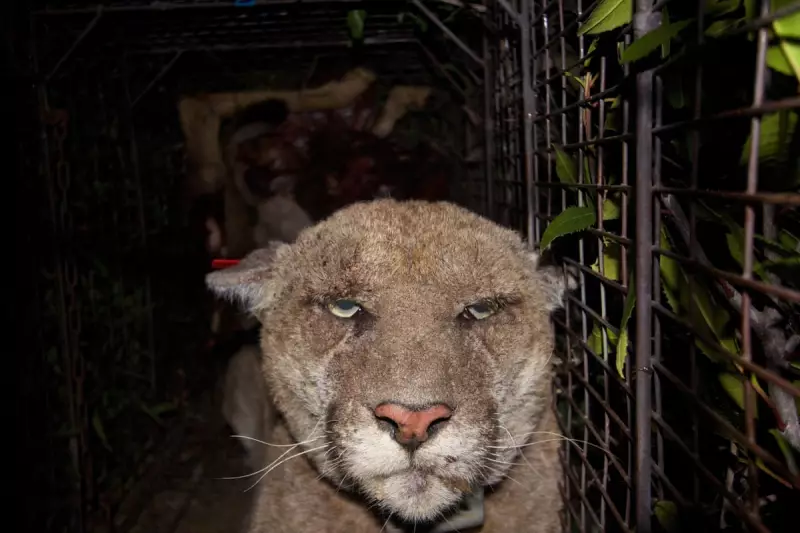
The tragic case of mountain lion P-22, the celebrated "Hollywood Mountain Lion," underscores the issue. He was exposed to anticoagulants, became disoriented, was struck by a vehicle, and ultimately died from his injuries. Lisa Owens-Viani, director of Raptors Are The Solution, highlighted the threat to natural pest controllers, noting that great-horned owls and red-shouldered hawks are among the species hardest hit.
"Now is hardly the time to relax restrictions," Owens-Viani said. "Our state pesticide regulation department should be closing loopholes, not opening them." A significant loophole in the current law allows continued use of the rodenticides on agricultural land.
Lawmakers who crafted the 2024 law have sent a letter to the DPR urging it to rescind the proposed changes, calling the justification "flimsy and unclear." Evans pointed out that the DPR is largely funded by pesticide sales, creating a potential conflict of interest. He expressed hope that Governor Newsom, whose father was a mountain lion conservationist, would intervene to protect wildlife over industry interests.
The governor's next steps are seen as a critical test of his environmental commitment. "It's an interesting moment," Evans concluded, "where we will see if he will continue to back wildlife, or the narrow interest of the pesticide industry."