
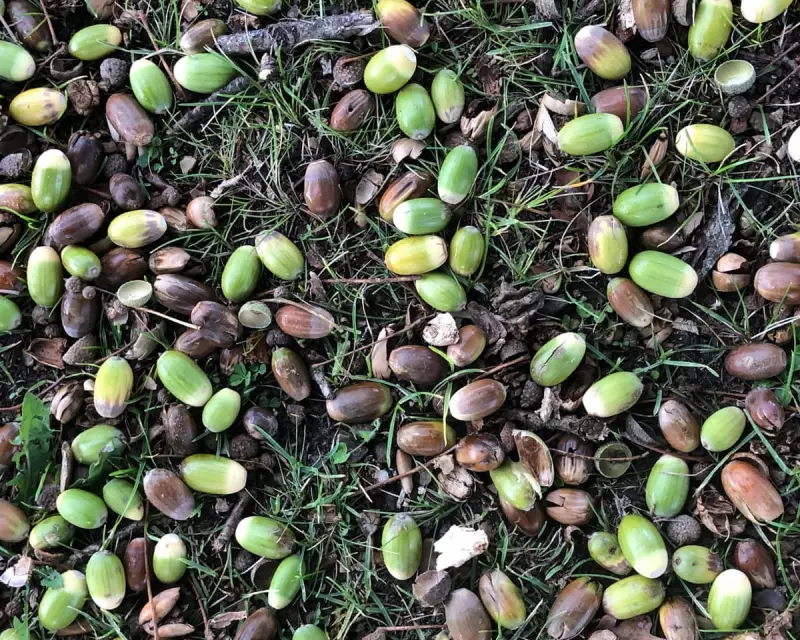
There's a moment of quiet panic that strikes any serious coffee drinker when they reach for the bag and find nothing but crumbs. This familiar dread recently descended upon my household, but instead of rushing to the shops, I found myself looking out the window at the oak trees lining our lane.
The Ancient Art of Acorn Coffee
For centuries before coffee beans reached British shores, people across Europe and North America brewed drinks from foraged ingredients. Acorns, the humble nuts that carpet our woodlands every autumn, were once transformed into a warming, coffee-like beverage. The process requires patience and several careful steps to transform the bitter raw nuts into something palatable.
The first crucial step involves leaching out the tannins that make raw acorns unpalatably bitter. This can be achieved through either the cold-water method, which involves changing the water multiple times daily until it runs clear, or the hot-water method using successive boils. The cold method preserves more of the acorn's natural starches, potentially creating a richer final product.
From Foraged Nuts to Warm Brew
Once processed, the acorns must be thoroughly dried before the final transformation. I spread mine on baking trays in a very low oven, leaving the door slightly ajar to allow moisture to escape. The drying process took several hours, filling the kitchen with a comforting, nutty aroma quite different from roasting coffee beans.
The real magic happens during the grinding and brewing. Using a coffee grinder, the hardened acorn pieces transform into a coarse, aromatic powder. When steeped in hot water, it produces a drink with a colour similar to black tea rather than coffee, but with a distinctive flavour profile all its own.
The resulting brew offers subtle notes of nuts and dark chocolate, with a smoothness that lacks coffee's characteristic acidity. Being naturally caffeine-free, it provides a comforting hot drink option for evenings or for those sensitive to stimulants. The experience connects you directly to the landscape in a way that opening a packet of imported coffee beans never could.
Rediscovering Forgotten Foodways
This foraging experiment represents more than just solving a temporary coffee shortage. It's part of a broader rediscovery of traditional food knowledge that has largely faded from modern British life. Before global trade made exotic commodities like coffee and tea commonplace, people throughout Britain made use of locally available ingredients to create comforting hot drinks.
Other foraged alternatives include roasted dandelion root, which produces a remarkably coffee-like brew, and roasted barley, which forms the basis of traditional grain coffees. Each offers a different flavour experience and connects us to different aspects of our natural environment.
Beyond the practical benefits, foraging encourages a different relationship with the natural world. It requires observation, patience, and an understanding of seasonal rhythms. The satisfaction of drinking a hot beverage made from ingredients gathered within walking distance of your home adds a layer of meaning that transcends mere flavour.
While acorn coffee won't replace proper coffee for most people, it serves as a valuable reminder of the abundance that surrounds us and the forgotten skills of our ancestors. The next time you find yourself facing an empty coffee tin, you might just look outside and see potential where you once saw only falling leaves.



