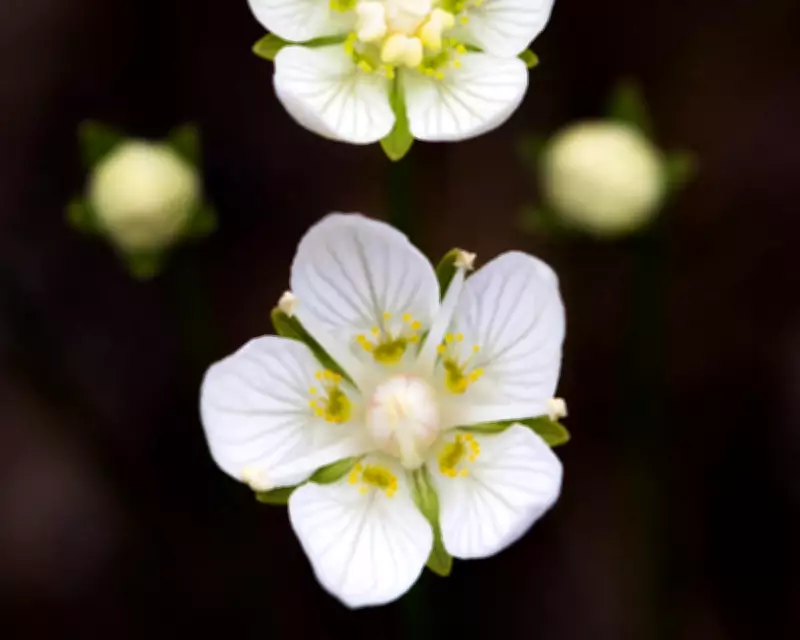
In a heartfelt letter, Jean Wilson shares her profound sadness upon learning that the grass of Parnassus, commonly known as the bog star, is teetering on the brink of extinction. This delicate wildflower, which holds the esteemed title of county flower for both Cumberland in England and Sutherland in Scotland, faces a precarious future due to environmental pressures.
A Personal Encounter with Natural Beauty
Wilson recounts a cherished memory from her youth in the late 1950s, when she first encountered the bog star during a family holiday in Scotland. She vividly describes discovering it growing at Langdon Beck in Upper Teesdale, a moment that left her utterly enchanted by its ethereal beauty. This area, she notes, was once championed by the renowned botanist David Bellamy, who led vigorous campaigns to protect its unique high moorland flora during the planning of the Cow Green reservoir.
The Role of a Botanist Mentor
During the 1960s, Wilson was a botany student at Durham University, where Bellamy served as a teacher. She reflects on his passionate advocacy for conservation, which inspired many at the time. However, she laments that, six decades later, the very species he fought to preserve is now threatened, with climate change likely being the primary culprit behind its decline.

The Broader Context of Extinction
Wilson's letter responds to a recent study highlighting that over 200 species, including the UK's smallest bird of prey, are at risk of extinction. She emphasizes the bog star as a poignant example of how climate change is devastating biodiversity, urging readers to consider the broader implications for wildlife and ecosystems.
Her message serves as a poignant reminder of the interconnectedness of natural beauty and environmental stewardship, calling for greater awareness and action to protect vulnerable species from disappearing forever.