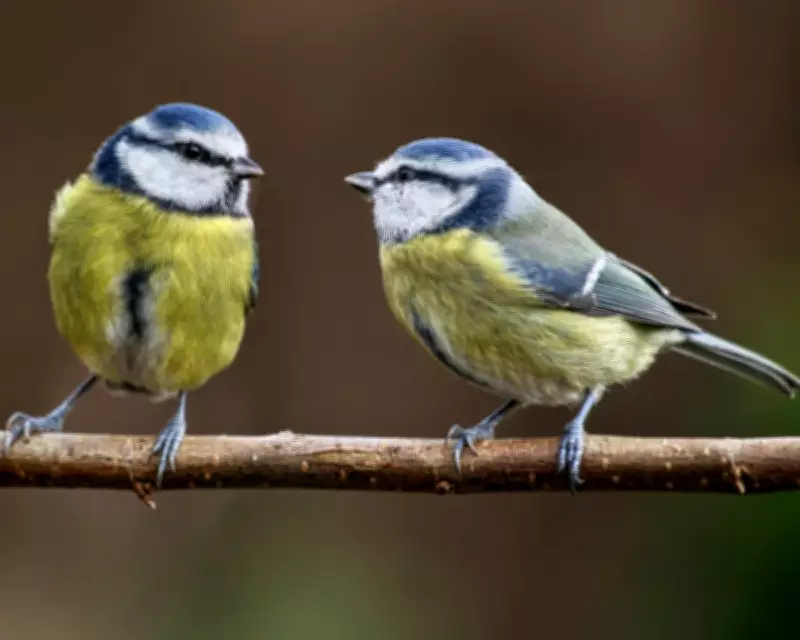
In the bustling gardens and green spaces of the United Kingdom, a small but mighty bird often goes unnoticed despite its vibrant presence. The blue tit, with its striking blue and yellow plumage, is a common sight, yet its remarkable behaviors and ecological importance are frequently overlooked by many observers.
A Closer Look at Blue Tit Characteristics
Blue tits are known for their feisty and inquisitive nature. These birds exhibit a high level of intelligence, often seen solving puzzles to access food sources, such as pecking through milk bottle tops in historical contexts or navigating modern bird feeders. Their adaptability allows them to thrive in various habitats, from dense woodlands to suburban gardens, making them one of the most widespread bird species in the region.
Social Dynamics and Breeding Habits
The social structure of blue tits is complex and fascinating. They are highly territorial during the breeding season, with pairs vigorously defending their nesting sites from intruders. Their nests, typically built in tree cavities or nest boxes, are meticulously constructed using moss, feathers, and other soft materials. Blue tits lay large clutches of eggs, sometimes up to a dozen, and both parents share the duties of incubation and feeding the hungry chicks.

Diet and Foraging Techniques
Blue tits have a diverse diet that includes insects, seeds, and berries. Their foraging techniques are a testament to their cleverness; they often hang upside down on branches to reach hidden prey or use their sharp beaks to extract insects from bark crevices. This dietary flexibility helps them survive through different seasons, although they face challenges from habitat loss and climate change.
The Role of Blue Tits in Ecosystems
These birds play a crucial role in maintaining ecological balance. By consuming large quantities of insects, blue tits help control pest populations, benefiting gardens and agricultural areas. Their presence also supports biodiversity, as they serve as prey for larger predators and contribute to seed dispersal through their feeding habits.
Conservation and Public Awareness
Despite their abundance, blue tits are not immune to threats. Urbanization, pesticide use, and changes in weather patterns can impact their populations. Conservation efforts focus on preserving natural habitats and promoting bird-friendly practices, such as installing nest boxes and avoiding harmful chemicals. Increasing public awareness about these birds can foster a greater appreciation for their role in our environment.
In summary, blue tits are more than just common garden visitors; they are resilient, intelligent, and ecologically significant creatures. By taking the time to observe and understand them, we can better appreciate the intricate web of life that surrounds us every day.