
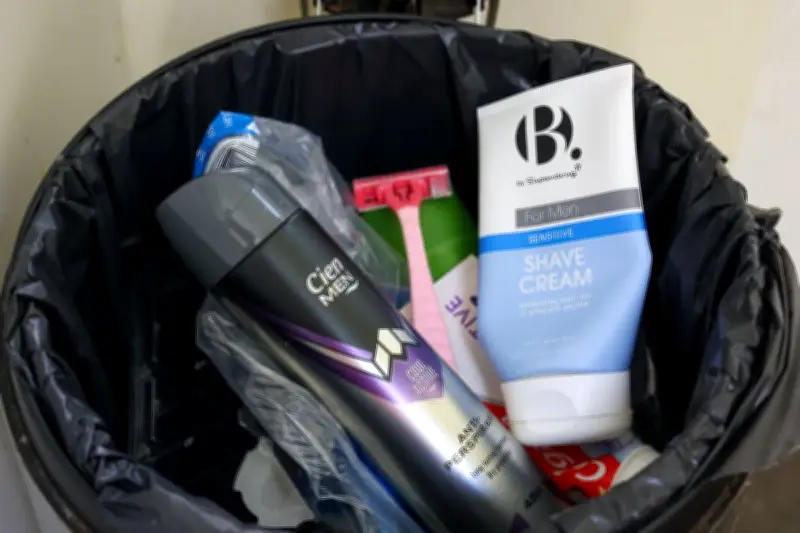
A new poll has revealed that 89% of cosmetic products used by Londoners contain plastic, with many residents unaware of the extent of plastic in everyday bathroom items. The survey, conducted by the environmental group City to Sea, found that 71% of Londoners did not know that wet wipes contain plastic, and 62% were unaware that face wipes also contain plastic.
Microplastics in Common Products
The poll highlights that microplastics are prevalent in a wide range of bathroom products, including shower gels, exfoliators, and toothpaste. According to City to Sea, an estimated 11 billion wet wipes are used annually in the UK, with 93% of those containing plastic. These wipes often end up in the sewer system, contributing to fatbergs and marine pollution.
Joanne O'Riordan, a campaigner at City to Sea, said: “It’s shocking that so many people are unaware that their everyday bathroom products are contributing to the plastic pollution crisis. We need to see more transparency from manufacturers and better labeling to help consumers make informed choices.”
Impact on London's Environment
The findings come as London grapples with plastic waste, which affects the River Thames and local ecosystems. The Thames has one of the highest levels of microplastics of any river in the world, according to a study by the University of London. The poll indicates that 82% of Londoners are concerned about plastic pollution, yet only 34% regularly check product labels for plastic content.
City to Sea is calling for a ban on plastic in wet wipes and other single-use bathroom products. The group also urges retailers to stock more plastic-free alternatives and for the government to introduce clearer labeling requirements.
What Can Londoners Do?
To reduce bathroom plastic waste, City to Sea recommends switching to reusable products, such as washable makeup pads and bamboo toothbrushes, and choosing plastic-free cosmetics. The group also suggests using bar soaps and shampoos instead of liquid versions in plastic bottles.
O'Riordan added: “Small changes in our bathroom routines can make a big difference. By choosing plastic-free options, Londoners can help protect our rivers and oceans from further pollution.”



