
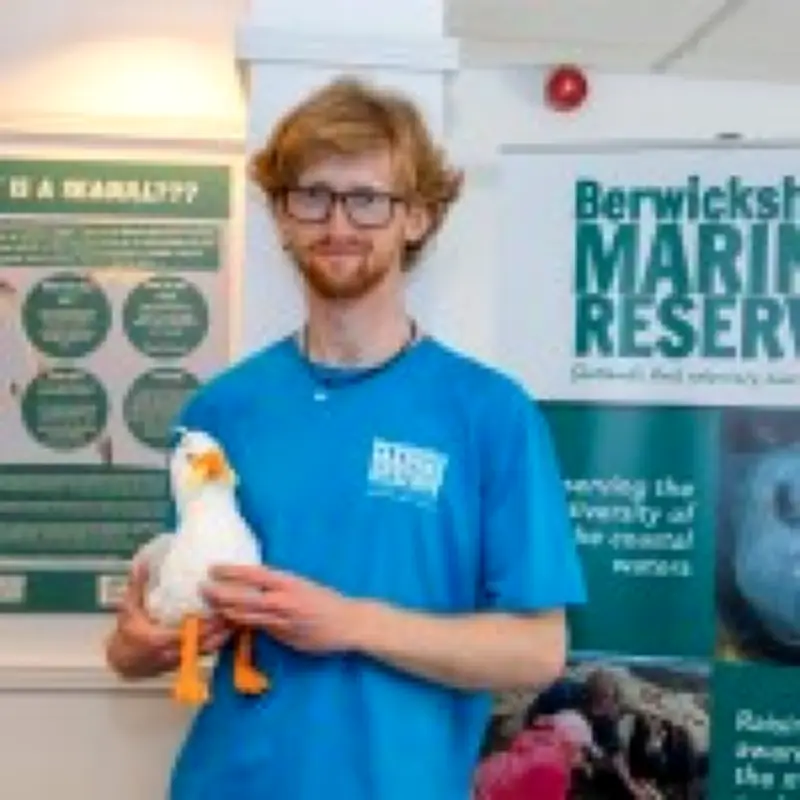
Patrick Safford, 24, has taken to the streets of Eyemouth in the Scottish Borders as Britain's first gull ranger, aiming to improve relations between humans and seagulls. The position was created by the charity Berwickshire Marine Reserve following several seagull attacks in the area.
Role and responsibilities
Safford's brief is to 're-establish a balanced relationship between humans and gulls through education and engagement'. His duties include educating the public on how to avoid gull attacks, tracking the seagull population, and surveying locals to identify nesting sites and problem areas. He has also helped open a marine education centre.
Changing perceptions
A former ecological consultant and keen birdwatcher, Safford believes seagulls are unfairly maligned. 'They're really interesting, because they're really intelligent and adaptable,' he said. 'I've been interested in gulls for a long time, and it's always frustrated me that the minority of them that get into conflict with people can get them a lot of hate.'
Criticism of deterrents
Safford has criticised common deterrents such as fake predators, netting and spikes, arguing they are ineffective due to seagulls' adaptability. 'Deterrents are often ineffective,' he said. 'Gulls adapt to them. You'll often see around Eyemouth a deterrent, with gull chicks nesting next to it anyway. The fake predators, it takes them a short amount of time to realise they're not a threat to them, and spikes are a bit more effective, but they're very expensive.'
Coexistence tips
To avoid food theft, Safford advises locals to sit next to walls or awnings to break flight paths, avoid littering, and not overfill bins. He notes that only about 25% of gulls are bold enough to steal food, and only a minority of adults swoop to protect chicks. 'A few of them can cause conflict, but there are steps we can take to minimise that conflict,' he added.
The job, funded by Flora and Fauna International, runs until August.



