
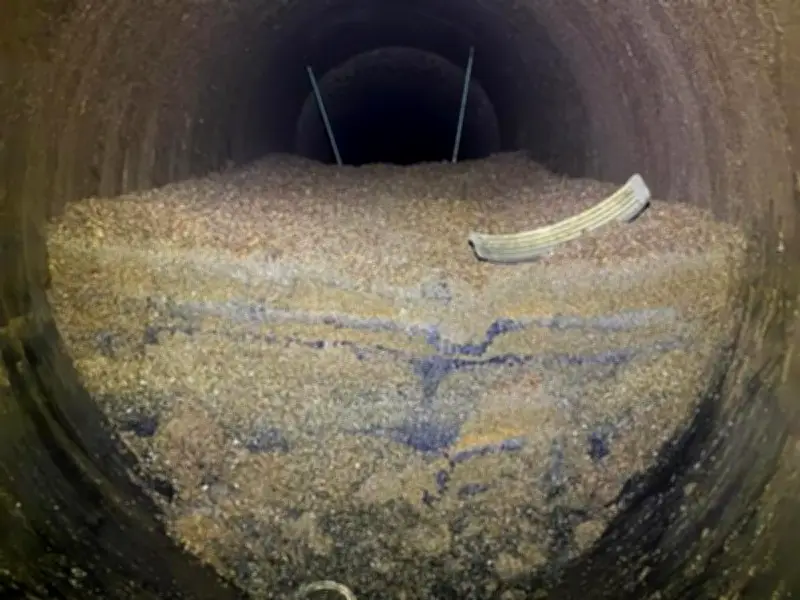
Thames Water removes more than four Olympic swimming pools' worth of invasive Quagga mussels from its pipes across its network each year, costing over £6 million annually. Engineers often find hundreds of thousands of the shellfish clogging pipes in a single operation.
Quagga mussels: a prolific threat
The freshwater Quagga mussel, an invasive species in the UK, is a prolific breeder: a single mature mussel can produce one million eggs per season. The mussels attach themselves to hard surfaces in dense clusters, restricting water flow and increasing the risk of disruption to water supply.
The threat has accelerated in recent years. Engineers now use power tools such as hydro-blasters and, in extreme cases, divers to remove mussels from water infrastructure.
Other invasive species causing damage
Mussels are not the only invasive species causing issues for Thames Water's network. Signal crayfish and Chinese mitten crabs also pose a threat, as they are prolific burrowers that cause extensive corrosion and siltation (narrowing of pipes), increasing the risk of flooding.
According to Alexandra Collington, Biosecurity & Invasive Non-Native Species Officer at Thames Water: “Quagga mussels may be small, but the impact they have on our network is anything but. Whether crabs or crayfish, we see non-native invasive species damaging our infrastructure and causing disruption. They pose a significant threat to native wildlife and biodiversity, affecting the health and balance of our ecosystems. We’ve committed over the next few years to increase our work tackling the impact invasive species have on our infrastructure, so that our network remains safe and we can protect our waterways and wildlife.”



