
As the crisp autumn air settles across the British countryside, a remarkable transformation unfolds in our gardens and green spaces. While many see this season as a time of decay and clearing up, nature reveals its intricate web of life in the most unexpected places.
The Unseen World Beneath Our Feet
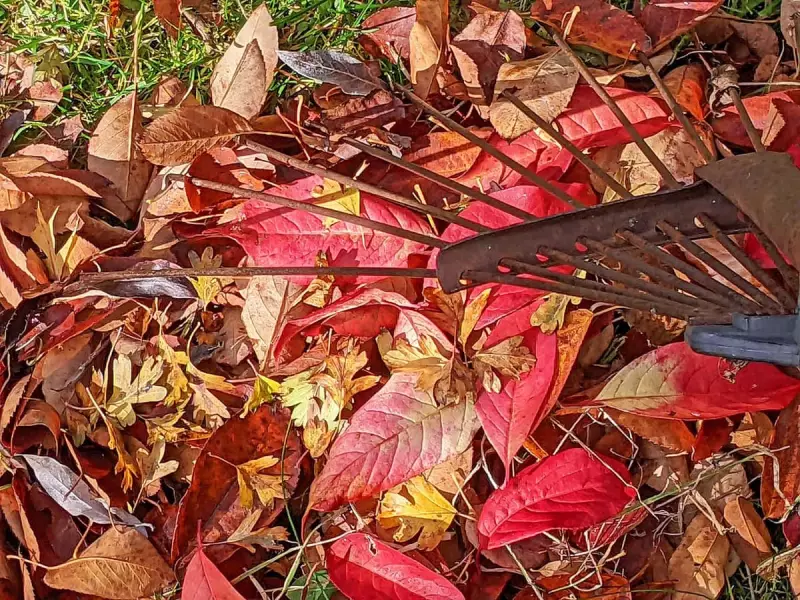
October's golden canopy gives way to November's carpet of fallen leaves, creating what might appear as mere garden clutter to the untrained eye. However, this leafy blanket serves as a crucial habitat for countless small creatures fighting to survive the coming winter months.
Beneath the surface of this natural quilt, an entire ecosystem thrives. Woodlice work tirelessly as nature's recyclers, breaking down plant material while providing essential food for larger animals. Spiders construct their intricate webs between stems and branches, creating sophisticated traps for unsuspecting insects.
Nature's Winter Preparation
As temperatures drop, wildlife employs ingenious survival strategies. Queen bumblebees seek refuge in north-facing banks, conserving energy for their spring emergence. Small mammals like shrews and voles create intricate tunnel systems within the leaf litter, finding both shelter and food sources.
The recent full moon of early November signals a critical turning point in nature's calendar. This celestial event triggers behavioural changes across species, from the final frantic foraging of hedgehogs to the strategic hibernation preparations of amphibians.
Rethinking Our Autumn Habits
Traditional gardening wisdom often encourages thorough autumn clearing, but this approach can inadvertently destroy vital wildlife habitats. Leaving some areas undisturbed allows nature to follow its intended course, providing sanctuary for creatures when they need it most.
Consider adopting a more balanced approach to garden maintenance this season. Rather than raking every last leaf, create designated wild corners where nature can take its course. These small sanctuaries become lifelines for insects, amphibians, and small mammals struggling against increasingly fragmented habitats.
Even simple actions make significant differences. Allowing seed heads to remain on plants provides essential winter food for birds. Leaving some dead wood in place offers shelter for beetles and other invertebrates. Creating a small log pile can become a five-star hotel for various garden wildlife.
As we witness the spectacular display of autumn colours, we're reminded that this season isn't an ending but a transformation. The vibrant reds and golds signal not death but preparation for renewal. By understanding and supporting this natural process, we become active participants in preserving the delicate balance of our local ecosystems.
This autumn, take a moment to observe rather than immediately tidy. Watch how leaves naturally accumulate in certain areas, notice which plants still provide food and shelter, and appreciate the complex web of life that continues unabated despite the cooling temperatures. You might be surprised by the bustling community living right outside your door.



