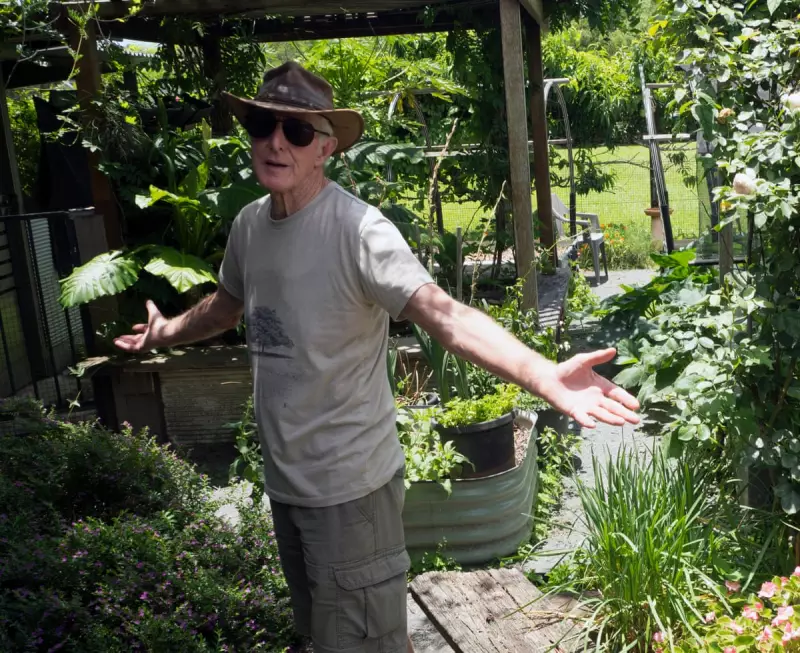
Nestled on Australia's Gold Coast, a unique community is celebrating two decades of a radical experiment in living. The Currumbin Ecovillage, a 110-hectare (272-acre) settlement, has forged a path where human habitation actively supports, rather than harms, the natural world. This weekend, residents mark the 20th anniversary of its foundation, though the exact population remains fluid, estimated by long-time resident Bill Smart at around 500 people.
The Price of Paradise: A Life Without Pets
For Bill Smart, a retired 77-year-old mechanical engineer, and his wife Susan, calling the village home for 13 years has meant making a significant personal sacrifice. The community operates under a firm rule: no cats or dogs are allowed. Conceived as a wildlife sanctuary and corridor, the village views domestic pets as potential predators that could devastate native fauna. The rule is strictly enforced, with signs at the local cafe reminding visitors, and only certified service animals are exempt.
"Dogs are nice and very loyal and everything. We do miss having a dog but that's the price we're prepared to pay," says Smart. This commitment has allowed native wildlife to flourish on the site of a former dairy farm. Mobs of wallabies and kangaroos roam freely, while the area is also home to koalas, echidnas, platypuses, bandicoots, and a rich array of birds, frogs, and snakes. Some residents keep pigs, goats, and chickens, but the primary residents are wild.
A Solarpunk Vision Made Real
When presented with the definition of 'solarpunk' – a movement envisioning a sustainable future interconnected with nature and community – Smart immediately identified with it. "That's us!" he exclaimed. "I never knew there was a word for it. I guess I've been a punk all along."
This ethos is baked into the village's infrastructure. Initially, new homes had to meet strict standards on orientation, design, and the use of recycled materials. Each property was required to be self-sufficient in power and water, using solar panels and rainwater tanks. While later developments after the original developer's collapse in the 2008 financial crisis have relaxed some rules, the commitment to sustainable living and renewable energy remains a core principle.
The community recently collaborated to replace its A$2 million (£1 million) wastewater treatment plant, ensuring water re-use and self-reliance. Future projects under consideration include a community solar farm and shared battery storage.
The Fabric of an Intentional Community
Currumbin represents a modern evolution of the 'intentional community' model. Town planner Rob Doolan, with 45 years of experience working with over 120 such communities, explains their origin in the hippy communes that followed the 1973 Aquarius Festival in Nimbin, New South Wales. Pooling resources allowed groups to buy large, often degraded, tracts of land, eventually leading to legal and financial changes that enabled developments like Currumbin.
"Intentional communities can do things that people in normal suburban situations might not find easy or practical because they're trying to do it on their own," Doolan notes. He adds, wryly, that the biggest challenge is often "dealing with other people."
Yet, it is this human connection that Smart cherishes most. The village hosts a diverse mix of retirees, young families, artists, professionals, and even Buddhist monks. A community noticeboard lays down guidelines for respectful communication, helping to navigate the inevitable personality clashes.
The social bonds are strong: every Friday features a happy hour at the cafe, and when a new baby arrives – including a recent home birth – residents rally to provide meals for the family for two weeks. Smart himself teaches woodworking and manages three community garden plots, with all produce donated to the charity OzHarvest to help those in need.
"This is the way people should be living," Smart reflects. "Here everyone knows each other. Everyone helps keep an eye on the kids... It's not about the structures, it's about the people." For the residents of Currumbin Ecovillage, a future in harmony with both nature and neighbour is not just a vision; it's a daily reality, even if it means forgoing a furry friend by the fireplace.