
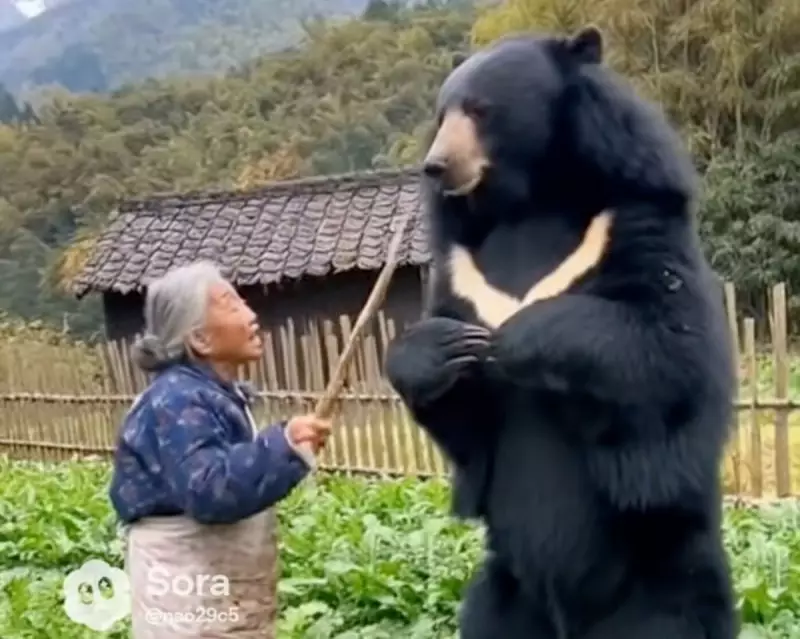
Japan is grappling with a dual crisis as a record number of real-life bear attacks coincides with a surge of hyper-realistic AI-generated videos, creating a perfect storm of public anxiety and misinformation.
The Rise of AI-Generated Ursine Encounters
Across social media platforms like TikTok, a torrent of artificial intelligence clips purporting to show close encounters with bears is adding to the national unease. These videos, often produced using OpenAI's Sora video generator, depict startlingly realistic scenarios. Some show schoolgirls fighting off the animals, while others feature people casually feeding bears in fields. In particularly convincing clips, a newsreader appears to report on local bear sightings, and one even shows a bear making off with a pet dog in its jaws.
Experts warn that this digital deluge could put people at greater physical risk. Shinsuke Koike, a professor at Tokyo University of Agriculture and Technology, emphasised the danger of videos showing people feeding bears, stating it could lead to the animals losing their fear of humans.
Blurring the Lines Between Fact and Fiction
The realism of these AI creations is a primary concern. An investigation by the Yomiuri Shimbun newspaper found that approximately 60% of 100 selected 'bear' videos on TikTok were fake. While some posts carried a Sora watermark or a disclaimer, many were so convincing that users struggled to distinguish them from genuine footage.
Several clips deliberately included details to enhance their authenticity, such as references to real locations where bear sightings have been reported. One fake news report claimed a bear was captured after entering a convenience store in Noshiro, Akita prefecture, forcing local officials to issue a public denial. Similarly, authorities in Ishikawa prefecture had to urge residents to ignore an AI-generated video showing people fleeing from a bear on a street.
A Backdrop of Real-Life Ursine Terror
This digital phenomenon is unfolding against a backdrop of a genuine and alarming wildlife crisis. According to the environment ministry, a record 13 people have died in bear attacks in Japan this year – more than double the previous high. Over 100 people have been injured, and approximately 20,700 bear sightings were reported nationwide between April and September.
The disruption to daily life in northern Japan is severe and tangible. Japan Post has suspended services in parts of Akita prefecture, where the self-defence forces have been deployed to assist hunters. Telecom firm NTT East is revising safety protocols for engineers, and logistics company Yamato has warned it may suspend parcel deliveries if worker safety is threatened.
Experts attribute the surge in real bear encounters to poor crops of acorns and beechnuts, staples of the bear diet, compounded by rural depopulation blurring the boundaries between forests and residential areas. As the animals venture further for food, the proliferation of AI videos not only exacerbates fear but also risks undermining crucial government advice on how to behave during a real bear encounter.



