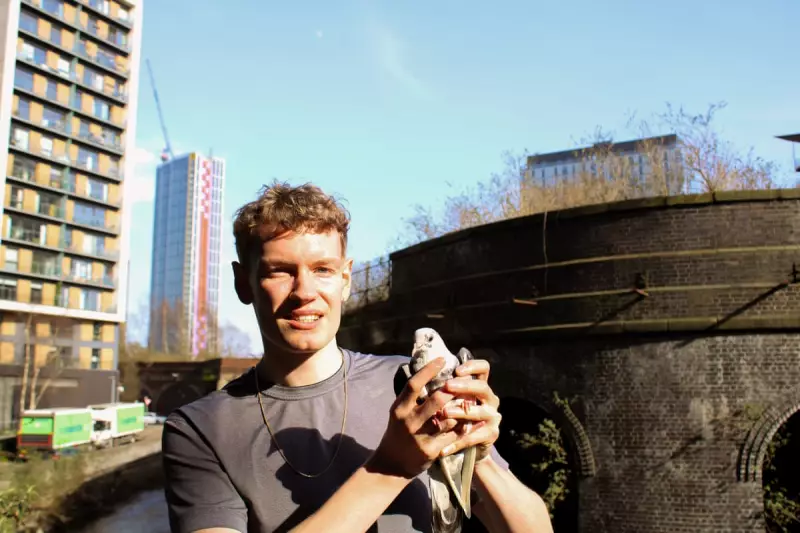
Jack Chadwick was trudging through Manchester, his mind elsewhere, when a sudden thud on the pavement changed everything. A pigeon had plummeted from the sky, landing spatchcocked and twitching on the wet concrete outside a primary school.
The Unexpected Patient
As children filed out, a small crowd gathered, unsure how to help the stricken bird. "Daddy, she needs hospital," one child pleaded. With no other option apparent, Chadwick took off his anorak, scooped the pigeon up, and became its impromptu ambulance. He named her Belinda.
Trudging home with the bird cradled in his coat, he had no idea this simple act of compassion would open a door to a hidden world. After placing Belinda in a lined shoebox, he began a frantic search for help, eventually turning to Facebook.
The Underground 'Pigeon NHS'
To his astonishment, he discovered the Manchester Pigeon Rehab group, a 3,000-strong network of volunteers operating on pure goodwill. This anarchic, community-run system functions as a triage and care service for the city's feral pigeons.
The model is simple: someone finds an injured bird, posts a plea for help, and the group's comment section springs into action. Through a web of connections, they can arrange everything from X-rays and pain relief to specialised "pigeon physio" and long-term foster care with expert "rehabbers".
Belinda was quickly diagnosed with neurological problems, likely from a head injury, and assigned a rehabber for pain management and gentle physiotherapy. The exact cause of her fall from the sky remains a mystery. Chadwick resumed his ambulance role, taking the tram across Manchester with Belinda in her shoebox to deliver her to care.
A New Perspective on Home
This discovery profoundly altered Chadwick's feelings about his forced return to Manchester. The city he resented for pulling him back from abroad revealed a layer of profound, collective kindness he never knew existed. He doubts any of his previous homes could boast such a dedicated underground animal service.
The incident also triggered a poignant memory from almost 20 years earlier, when he witnessed another pigeon fall in his high school playground. Then, only one friend had the courage to scoop it up—a friend who, like three others, had died before Chadwick left Manchester. He realised this loss was a significant part of why returning felt so difficult.
Pigeons have a deep history as emotional support animals, particularly in northern England, where miners kept them for comfort. Yet today, they are often dismissed as pests. Chadwick experienced this stigma firsthand when a vet told him to leave the bird in the car park for euthanasia. "It? Not our Belinda," he writes.
Although Belinda will likely never fly again, she now lives a contented, grounded life in a volunteer's spare bedroom, her favourite treat of frozen peas eliciting satisfied coos. For Chadwick, her story became a lesson in adaptability and resilience, and a permanent reminder of the hidden, compassionate heart of Manchester.