
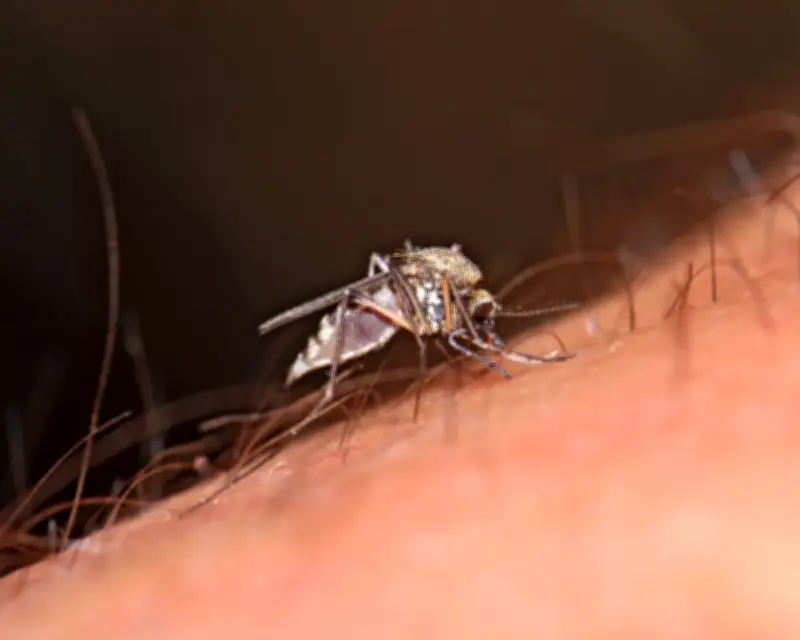
A country diary entry from 27 July 1906 describes the summer's drawback: immense numbers of insects thirsting for human blood. The author notes that while the countryside is charming, it is plagued by insects attracted to heated skin, causing irritation.
Correspondents' Complaints
The bitter cry of two tormented correspondents reached the author from Stockport and Chester. The first, a country lover, suffers from gnat bites that leave him without peace for days. The author suggests lavender oil as a repellent and phenate of soda or ammonia to soothe bites. The second correspondent sends two “mangled victims” that woke him with a persistent hum, asking if they are related to mosquitoes.
Identification and Behavior
The author identifies the insects as true British gnats, Culex annulatus, not tropical mosquitoes, though both belong to the family Culicidae. The female of most species bites and sucks blood. The banded gnat, the largest of British gnats, is described as the most bloodthirsty. The author recounts an experiment: allowing one to settle on the hand, its abdomen swells and reddens until replete, like a pea. The impression lasts vividly for days.



