Water Companies' Green Financing Under Scrutiny
England's privatised water industry has issued an astonishing £10.5 billion in green bonds since 2017, despite facing persistent criticism over sewage pollution and environmental performance. According to analysis by Unearthed, part of Greenpeace UK, water companies accounted for nearly one-fifth of all corporate green bond issuance in the UK during this period.
Major Players in Environmental Financing
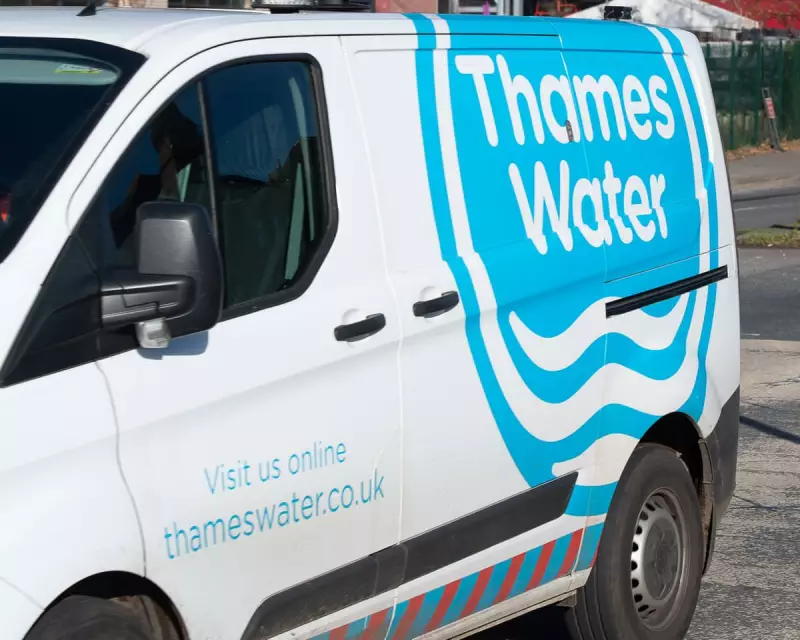
The research reveals that Anglian Water leads the sector with £3.5 billion in green bond issuance, while the struggling Thames Water follows closely with £3.1 billion. These figures position the two companies as the third and sixth largest corporate green bond issuers nationwide since 2017.
Green bonds are specifically designed to fund projects with environmental benefits, including renewable energy, greenhouse gas control, and sustainable water management. This classification means that many standard water company operations qualify for such financing. In return, companies typically access cheaper borrowing rates by attracting environmentally conscious investors seeking both profit and positive impact.
Controversy Amid Environmental Failures
The substantial green bond issuance occurs against a backdrop of declining environmental performance across the water sector. The UK government's Environment Agency recently reported that environmental progress in the industry has actually deteriorated over the past year.
James Wallace, chief executive of clean water campaign group River Action, delivered a scathing assessment: "This is corporate greenwash on steroids. UK water companies are raising billions through green bonds while failing to deliver the environmental improvements these funds are supposed to support."
Wallace further criticised the situation, noting that "their crumbling infrastructure continues to kill rivers and put communities at risk while investors are rewarded. True green finance should deliver real benefits for the environment and public health, not mask ongoing pollution."
Reporting Failures and Regulatory Concerns
The controversy deepens with specific concerns about Thames Water, which has failed to publish impact reports detailing the environmental benefits of its bond investments for two consecutive years. Although not legally mandatory, this omission contravenes industry standards and raises transparency questions.
A Thames Water spokesperson acknowledged the reporting failure: "The impact report for 2022-23 and 2023-24, which will detail the allocation of the £1.65 billion raised through our January 2023 green bond issuance, has not yet been published. We take our reporting responsibilities seriously, and on this occasion we have fallen short of meeting expectations."
Meanwhile, Thames Water's owners are reportedly seeking government leniency on environmental standards for up to 15 years as part of a rescue plan for the financially troubled company.
Industry Defence and Future Challenges
Anglian Water defended its green bond usage, with a spokesperson emphasising that growing the economy while reducing pollution requires "significant and sustained investment in infrastructure." The company maintains that raised funds have "helped to deliver significant environmental improvements" beyond pollution measures, including carbon emission reductions.
The spokesperson added that "We know there is more still to do, particularly on issues like pollution, but environmental performance is broader than just that one measure," while calling for government regulatory reform to create an "investable sector."
When considering additional issuance by the Thames Tideway "super sewer" developer, the water industry's share of corporate green bonds rises to 22%, highlighting the sector's significant role in sustainable finance despite ongoing environmental challenges.