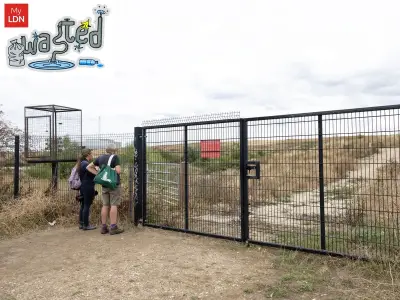
A water treatment centre that failed and left tens of thousands of residents in Tunbridge Wells without safe tap water had previously been served with a formal warning by the regulator over risks from bacteria and pesticides.
Boil Notice and Widespread Disruption
The historic Kent town has been under a boil water notice since Saturday after supplies were cut off. South East Water has explicitly told residents that water from their taps is currently unsuitable for drinking, giving to pets, brushing teeth, washing children, or bathing if they have an open wound.
The company states the notice will be in place for at least ten days due to ongoing water quality issues. This has forced schools, restaurants, pubs, and hotels across Tunbridge Wells to close throughout the week. GP surgeries have also reported significant difficulties in obtaining clean water supplies.

Regulator's Prior Warning and Investigation
The Drinking Water Inspectorate (DWI) has launched an investigation into the contamination incident centred on the Pembury treatment works. Crucially, the watchdog had issued a risk notice to the company in 2024.
That notice warned that "there is or has been a significant risk of supplying water from Pembury water treatment works... that could constitute a potential danger to human health or could be unwholesome". It called for urgent upgrades to facilities, including water tanks and sludge lagoons, to prevent contamination from pesticides, E. coli, Enterococci, and Clostridium bacteria from entering the public supply.
A DWI spokesperson confirmed the live investigation, stating the inspectorate has powers to bring enforcement or legal proceedings if sufficient evidence is found.
Broader Context of Water Industry Failings
This incident occurs against a backdrop of financial and infrastructural strain across the UK water sector. South East Water itself has been on the brink of financial collapse, requiring a £200 million cash injection from investors earlier this year after being placed on a financial watchlist by the regulator Ofwat.
Campaigners have long accused water companies of "sweating assets"—prioritising dividend payments to shareholders over essential investment in treatment works, sewers, and reservoirs. Similar infrastructure vulnerabilities have been identified elsewhere; for example, Thames Water's Coppermills plant is considered a critical single point of failure for over 500,000 people.
The crisis in Devon last summer, where the cryptosporidium parasite sickened over 140 people, underscores the recurring public health threats from ageing water infrastructure.
David Hinton, the CEO of South East Water, who faces calls for his resignation, was summoned to a meeting with the Department for Environment, Food and Rural Affairs on Wednesday. Water Minister Emma Hardy told him the continued disruption was "unacceptable".
Neil Hudson, head of water quality at South East Water, advised residents not to drink the water and to consult a GP if they feel unwell after accidental ingestion. He declined to give a firm date for the restoration of normal supply, stating the company did not want to give "false hope".
The company could face legal action if the DWI investigation finds negligence in its upkeep of the Pembury treatment works.