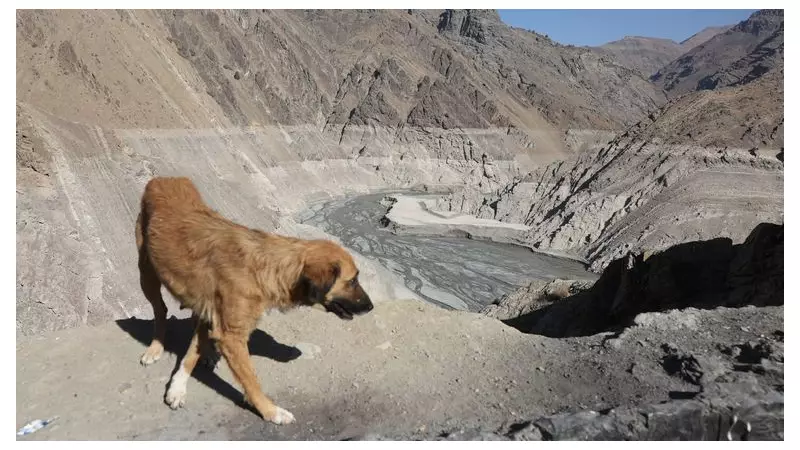
The Iranian capital of Tehran is staring down the barrel of an unprecedented water emergency, with officials warning that parts of the megacity may need to be evacuated if supplies run completely dry.
Authorities have begun a grim countdown to "day zero" – the point at which reservoirs empty and taps across the city stop flowing. The crisis threatens the daily lives of Tehran's 15 million residents.
The Stark Numbers Behind the Shortage
Key reservoirs supplying the city are critically depleted. The Karaj dam, which provides a quarter of Tehran's drinking water, is holding a mere 8% of its capacity. In response, severe water rationing has been enforced in some districts, with tap flow reduced or cut off entirely overnight.
Iran's President, Masoud Pezeshkian, has issued a stark public plea for citizens to conserve water, explicitly raising the possibility of evacuation for sections of the metropolis if consumption does not fall.
A Perfect Storm of Causes
The immediate trigger is a severe drought. The country's National Weather Forecasting Centre reports that the period from September to November 2025 was the driest in 50 years, with rainfall 89% below the long-term average. This follows a five-year pattern of low rainfall and intense heat, parching the landscape.
However, climate pressures are only part of the story. Chronic mismanagement and soaring demand have pushed the city into what experts term "water bankruptcy." Since 1979, Tehran's population has nearly doubled, but water consumption has quadrupled, rising from 346 million cubic metres annually to 1.2 billion cubic metres today.
Professor Kaveh Madani, former deputy head of Iran's environment department, told Sky News the crisis is "the product of decades of bad management, lack of foresight, overreliance and false confidence" in engineering projects.
To meet demand, the city has over-exploited natural underground aquifers, which now provide 30-60% of tap water. This pits urban needs directly against agriculture, with levels around Tehran falling by 101 million cubic metres every year – a loss that will take decades to reverse.
A Global Warning for Cities Like London
The situation in Tehran serves as a dire warning to major cities worldwide about the fragility of water infrastructure. Cape Town famously narrowly averted its own "day zero" in 2018 through drastic conservation measures.
Even London, a city synonymous with rain, is not immune. Experts warn that supply has failed to keep pace with rapid population growth and increasing demand, leaving it vulnerable to prolonged droughts intensified by climate change.
The crisis underscores how a combination of climatic extremes, resource mismanagement, and rising consumption can push even the world's great urban centres to the brink of catastrophe.