A devastating new BBC documentary has exposed one of Britain's most shocking environmental disasters - the 1988 mass poisoning of 20,000 people in north Cornwall that authorities tried to cover up for decades.
The Summer the Water Turned Black
In the summer of 1988, residents across several north Cornwall towns and villages noticed something terrifying happening to their water supply. Tap water turned blue, black, or gelatinous, accompanied by an immediate outbreak of severe health problems including vomiting, diarrhoea, rashes, blisters and debilitating headaches.
What locals didn't know was that a catastrophic error at a water treatment facility had contaminated their supply with toxic levels of aluminium sulphate. Even more shockingly, authorities would take more than two weeks to admit there was a problem, during which time residents were told the water was perfectly safe and advised to mix it with orange squash to improve the taste.
A Lifelong Fight for Justice
The documentary features powerful testimony from victims whose lives were permanently altered by the contamination. Carole Wyatt from St Minver, who initially didn't want to speak about the poisoning again, became one of the programme's most compelling voices.
"Miscarriage of justice, I want that in... before I die I want this truth to come out," Wyatt tells filmmakers, revealing the depth of frustration felt by victims who have seen little accountability over the past 36 years.
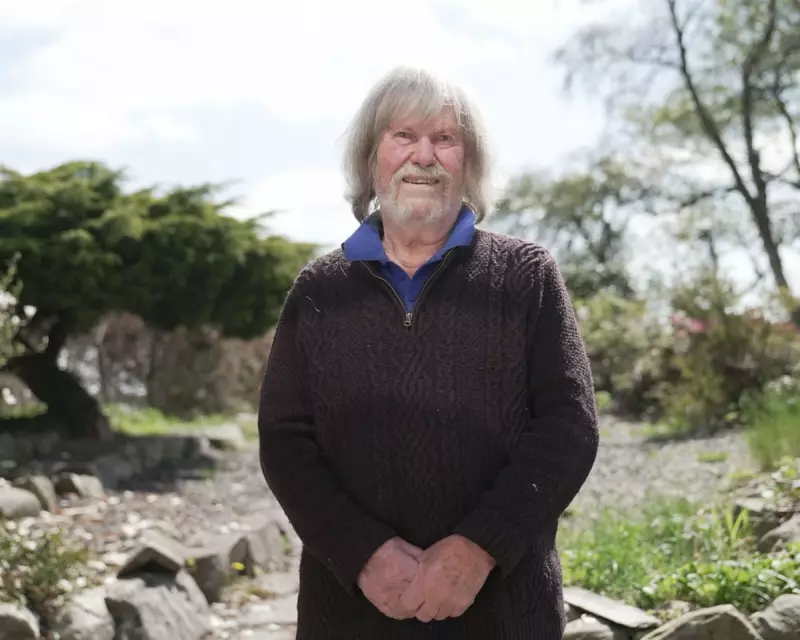
The film also features scientist Doug Cross, who understood the technical aspects of the disaster from the beginning and tried to hold authorities accountable. His personal story adds particular poignancy - his wife Carole died in 2004 at age 59 after experiencing sudden onset Alzheimer's symptoms. Postmortem tests revealed severely elevated aluminium levels in her brain.
Evidence of Cover-Up Emerges
Perhaps most damning are revelations about potential government collusion. The documentary obtained a letter through Freedom of Information requests showing that water inspectorate employees urged the government to go easy on the situation to avoid making "the whole of the water industry unattractive to the City" - particularly sensitive as the government was preparing to privatise water services.
Former water minister Michael Howard, interviewed for the programme, claims he never saw the letter and strongly denies any cover-up or collusion, describing the incident as "a terrible mistake which should never have happened."
Despite a government apology, victims have seen their calls for a public inquiry go unanswered for decades. Leslie Nicks, then head of operations at South West Water, breaks his silence in the documentary, saying he "just wants the truth known."
The documentary serves as a powerful reminder that for thousands of Cornish residents, the summer of 1988 never really ended, and the fight for proper recognition and justice continues nearly four decades later.