The Unlikely Heroes of Sustainable Agriculture
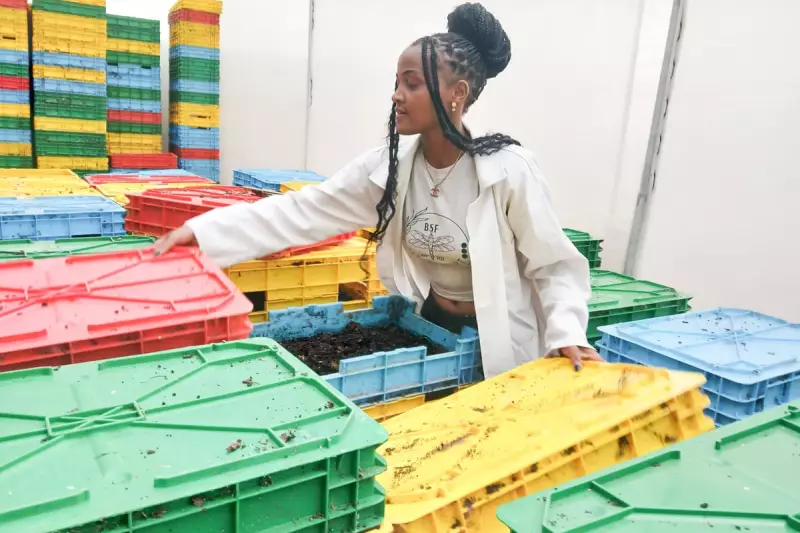
In an unexpected corner of Nairobi, Kenya, a quiet agricultural revolution is taking place that could have significant implications for sustainable farming practices worldwide. Winnie Wambui, a 24-year-old engineering student and entrepreneur, operates her black soldier fly farm from a concrete building behind a corrugated iron fence, demonstrating how these remarkable insects are transforming food waste management.
From Waste to Wealth: The Larval Transformation Process
Wambui's operation collects food waste from local markets and feeds it to black soldier fly larvae, which possess the extraordinary ability to consume double their body weight in a single day. This process creates a low-cost waste management solution with multiple valuable byproducts. The frass - a mixture including insect waste and shed exoskeletons - serves as effective fertiliser, while the larvae themselves become high-protein meal for chickens and fish.
Wambui's partnership with the International Centre of Insect Physiology and Ecology, partially funded by the Australian Centre for International Agricultural Research through a $500,000 annual grant, has been crucial to her business success. "Through ICIPE I have received training and BSF starter kits, and ACIAR directly facilitated travel to Germany so I could learn more about BSF farming," she explains.
Global Applications and Environmental Benefits
The environmental implications are substantial. According to United Nations data, food loss and waste contribute up to 10% of global greenhouse gas emissions. Black soldier flies offer a sustainable alternative that addresses this pressing issue while creating valuable agricultural products.
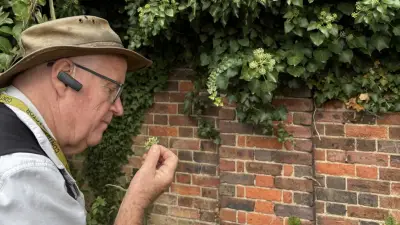
In Australia, producers are embracing this technology despite the black soldier fly being an introduced species. Luke Wheat, founder of Arvela and chair of the Insect Protein Association of Australia, notes that the insects pose minimal biosecurity risk. "They're not a biting insect, they are not known to spread disease and they only appear seasonally and in low densities," he assures.
The larval stage represents the most productive period, with Wheat comparing their feeding frenzy to "a bear going into hibernation". This rapid consumption makes waste digestion exceptionally fast compared to traditional composting methods.
Commercial Applications and Research Developments
The primary market for dried larvae currently focuses on aquaculture, though live larvae can supplement poultry feed in some Australian jurisdictions. Interestingly, dried larvae marketed as BSF protein has gained approval for specialty dog food, with manufacturers promoting it as a hypoallergenic novel protein that demonstrates equivalent "canine satisfaction" to conventional animal proteins.
Recent research validates the commercial potential. A $2.5 million multi-industry research project led by Australian Pork Limited in 2024 determined that black soldier flies can reduce waste volumes by up to 79% while producing fertiliser that outperforms commercial synthetic alternatives.
Further investment continues, with AgriFutures announcing a five-year, $2 million project in partnership with the University of Adelaide to establish industry best practices and address regulatory challenges.
Commercial applications are already operational, including Canberra-based Goterra's mobile modular black soldier fly farms deployed at council landfills, hotel chains, and Melbourne Airport. Founder Olympia Yarger reports that "the units can process up to 1.7 tonnes of organic waste daily, producing 250kg of fertiliser and 80kg of processed insect protein from each tonne of waste".
Future Innovations and Broader Applications
Researchers at Southern Cross University are exploring even more ambitious applications. Dr Lachlan Yee, whose home fly farm processes kitchen waste into chicken feed and garden fertiliser, is investigating whether the larvae's 20-30% fat content could produce biodiesel.
Additional research focuses on chitin from larval exoskeletons for potential use in wound-healing bandages and BSF leachate for weed control. "The ultimate goal is to replace some of the synthetic plastics with biopolymers, and these amazing creatures can help us do that," Yee reveals, acknowledging the long-term nature of this aspiration.
As this innovative approach to waste management and protein production continues to develop, black soldier fly larvae represent a promising solution to multiple environmental and agricultural challenges facing modern society.