Legacy of a Fallen Icon: Sycamore Gap's 'Trees of Hope' Take Root
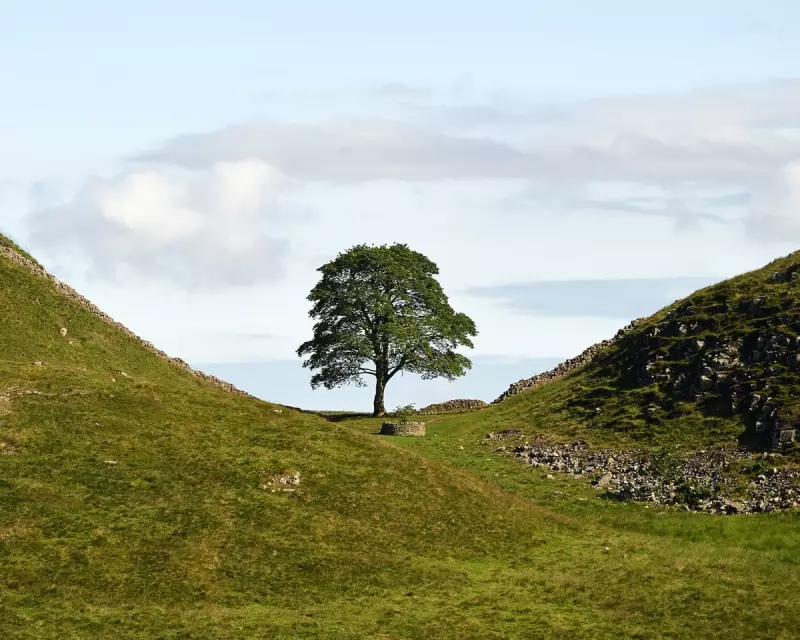
The National Trust has launched an inspirational initiative to ensure the legacy of the beloved Sycamore Gap tree continues, despite its tragic felling in September 2023. Forty-nine saplings, cultivated from seeds collected from the original tree, are now being planted at significant locations across the United Kingdom.
These young trees, affectionately named 'trees of hope', represent a powerful response to the criminal act that destroyed one of Britain's most photographed and cherished natural landmarks. The planting programme commenced during National Tree Week, marking a new chapter in the story of this iconic sycamore.
From Tragedy to Hope: The Saplings' Journey
Following the shocking overnight destruction of the Sycamore Gap tree on Hadrian's Wall in Northumberland, conservationists from the National Trust acted swiftly. Their prompt collection of seeds from the fallen giant allowed for this remarkable conservation effort.
The number of saplings holds special significance. There are 49 in total, one for each foot in height of the original tree, which was believed to have been planted in the late 19th century. The project attracted nearly 500 applications from organisations hoping to host one of these meaningful trees.
Andrew Poad, general manager for the National Trust's Hadrian's Wall properties, expressed his enthusiasm: "It's incredible to think that this weekend, the first 'offspring' of this very famous tree will be planted. Over the next couple of years, the saplings will really start to take shape, and because sycamores are so hardy, we're confident they'll be able to withstand a range of conditions."
Symbolic Locations for New Beginnings
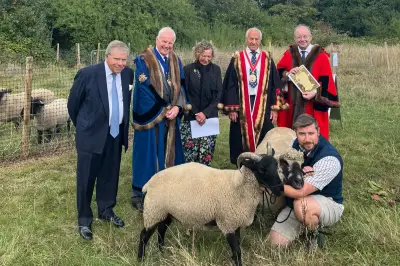
The first plantings occurred on Saturday, with saplings destined for sites chosen for their powerful stories of resilience, peace, and community.
Greenham Common, Berkshire: One sapling will be planted beside a former military control tower, now a community centre and museum. This site was central to the women's peace camps of the 1980s, a massive female-led protest against nuclear weapons. Helen Beard of the Greener Greenham Common Group stated the sapling serves as "a powerful way to spread a message of hope – for nature, our environment and for peace."
Strabane, County Tyrone: Another tree found its home in this border town, which endured significant hardship during the Troubles. The planting acts as a symbol of the community's "collective journey towards healing" and also pays tribute to a beloved local resident, John Gallagher, who died from motor neurone disease.
Other initial planting sites include:
- The Minnie Pit mining disaster memorial in Staffordshire.
- The Tree Sanctuary in Coventry, established by teenage conservationists.
- Coton Orchard in Cambridgeshire for a grassroots pollinator project.
A Widespread Legacy of Inspiration
The planting programme will continue beyond the initial ceremonies. Further saplings are scheduled for locations including the Rob Burrow centre for motor neurone disease in Leeds, Hexham General Hospital in Northumberland, and Veterans in Crisis, a support charity in Sunderland.
Hilary McGrady, director general of the National Trust, credited the team's quick thinking after the felling, which "has allowed the Sycamore Gap to live on." This ambitious project ensures that the spirit of the famous tree will inspire communities across the nation for generations to come, transforming an act of vandalism into a lasting symbol of hope and regeneration.