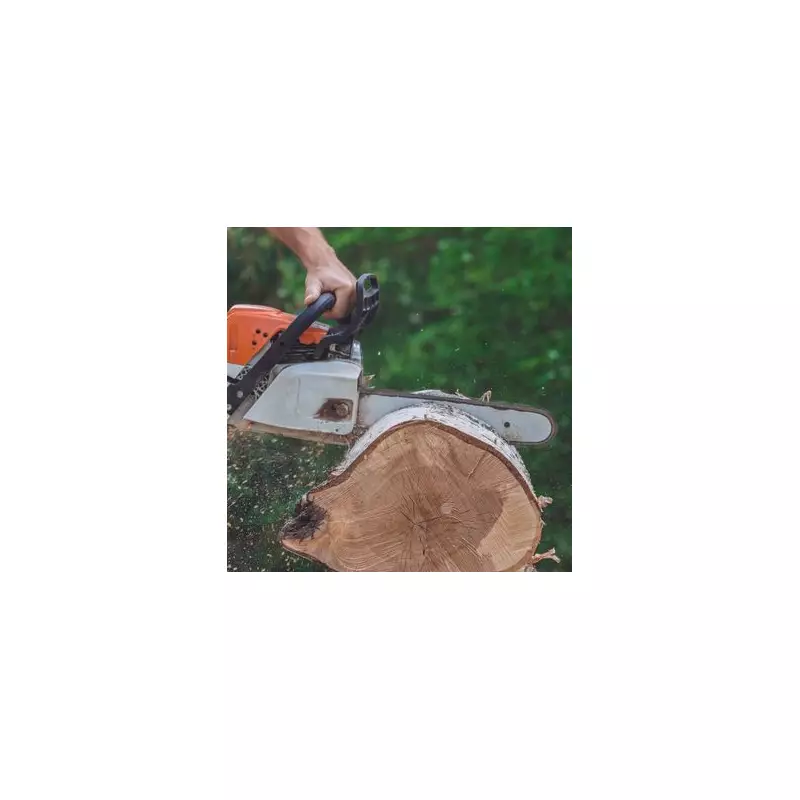
NHS Trust's Cycle Path Plan Sparks Tree-Felling Controversy
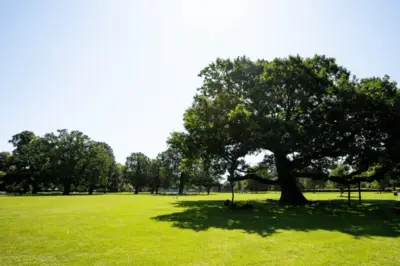
Greenwich Council faces a difficult decision next week as it considers controversial plans that would see over 50 mature trees cut down on Woolwich Common to make way for a new cycle path. The proposal from Lewisham and Greenwich NHS Trust has attracted significant opposition from local residents and environmental groups.
The Planning Board meeting scheduled for November 18 will determine whether the Stadium Road and Baker Road carriageway improvements can proceed. The NHS trust owns and maintains the 1km stretch of road that runs between Queen Elizabeth Hospital and Woolwich Common.
What the Development Entails
The proposed scheme involves reconstructing the existing highway to bring it up to adoptable standard, allowing it to become public highway maintained by the Highway Authority. The most contentious element involves converting a 2.5 metre wide strip of Woolwich Common into a continuous footpath and cycleway.
This road widening would result in the removal of up to 46 healthy trees, plus an additional seven that are described as being in "extremely poor condition" and require removal regardless of the development. The trust has proposed planting 76 replacement trees as mitigation, though objectors note that newly planted trees take years to reach the carbon-reducing capacity of mature specimens.
Strong Local Opposition
The plans have generated substantial community pushback, with 539 formal objections submitted by Greenwich residents. Significant local organisations have also voiced their concerns, including:
- Greenwich Cyclists (250 members)
- Friends of Woolwich Common
- The Charlton Society
Interestingly, even the local cycling campaign group opposes the current plans. While welcoming highway refurbishment in principle, Greenwich Cyclists stated that "the loss of over 50 mature, healthy trees significantly outweighs the benefit" of providing new segregated cycleways and footpaths.
The environmental impact extends beyond mere aesthetics. When mature trees are felled, they release decades of stored carbon back into the atmosphere, creating a significant carbon footprint that replacement saplings would take years to offset.
Failed Compromise Attempts
In October, a meeting was held between the NHS trust, council officers, and objector groups to explore alternative designs that might preserve more trees. However, council documents confirm that no consensus was reached, with both Greenwich Cyclists and Friends of Woolwich Common maintaining their strong objections to any tree removal required for the highway improvements.
The objectors continue to argue that opportunities exist to improve facilities for pedestrians and cyclists while minimising the loss of mature trees, suggesting that alternative designs haven't been sufficiently explored.
The decision now rests with Greenwich Council's Planning Board, which must balance the benefits of improved cycling infrastructure against the significant environmental cost of losing established trees on this South London common.