
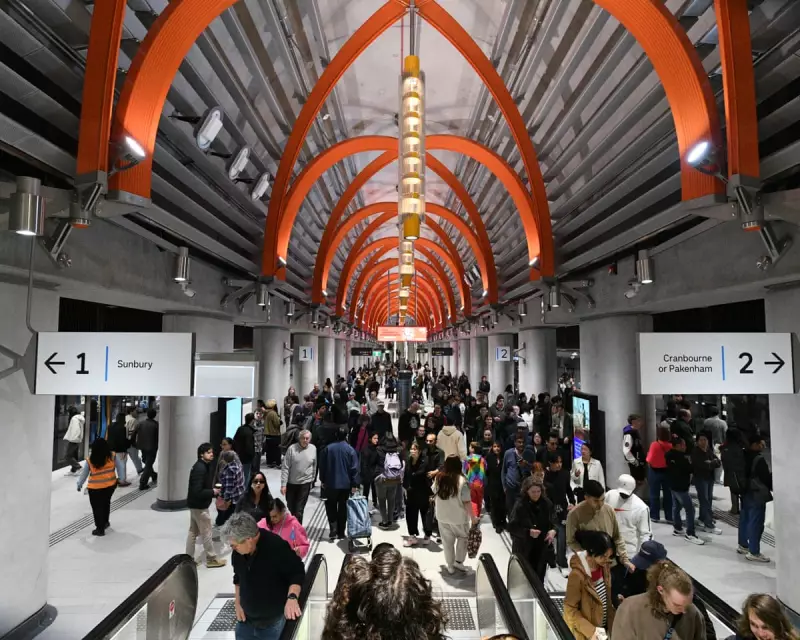
The long-awaited Metro Tunnel in Melbourne has officially opened to the public, marking a pivotal moment for the city's transport network. Crowds were pictured arriving at the striking new State Library station, a key hub on the new line, signalling the start of a new chapter for how people move around the Australian metropolis.
Beyond the Commute: A Vision for Inclusive Transport
While the project's completion is a cause for celebration, a pertinent letter to the editor from Will Atkins of Sydney has sparked a crucial conversation. Atkins responds to a report on the tunnel's opening, which focused heavily on the benefits for commuters. He argues this terminology is too narrow and fails to capture the full potential of modern metro systems.
Atkins contends that world-class public transport, like the new tunnels in Melbourne and Sydney and the one planned for Brisbane, should be designed for all travellers, all of the time. The traditional weekday commute to the central business district represents only a fraction of urban movement. A truly transformative network encourages people to choose trains for every journey:
- Visiting friends and family
- Trips to the shops, pools, or concerts
- Travel to airports
- All other daily activities
Building Cities for People, Not Just Cars
The core of Atkins' argument is a call for a broader cultural shift. The world's best cities are not defined by their road capacity but by excellent, integrated public transport networks complemented by safe walking and cycling infrastructure. By framing metros solely as tools for commuters, we limit our ambition for what they can achieve in reducing car dependency and creating more liveable, sustainable urban spaces.
The opening on 28 November is indeed a major payoff after years of construction disruption. However, the ultimate success of the Metro Tunnel will be measured not just by smoother peak-hour journeys, but by how seamlessly it integrates into the daily lives of all Melburnians, encouraging a permanent shift away from private car use for a multitude of purposes.
This perspective is vital for transport planning in the UK and globally. As cities invest in major sustainable transport projects, the goal must be to serve the entire spectrum of urban life, making public transport the natural first choice for every trip, every day.



