
London Underground's Solar Power Initiative: A Green Leap for the Tube
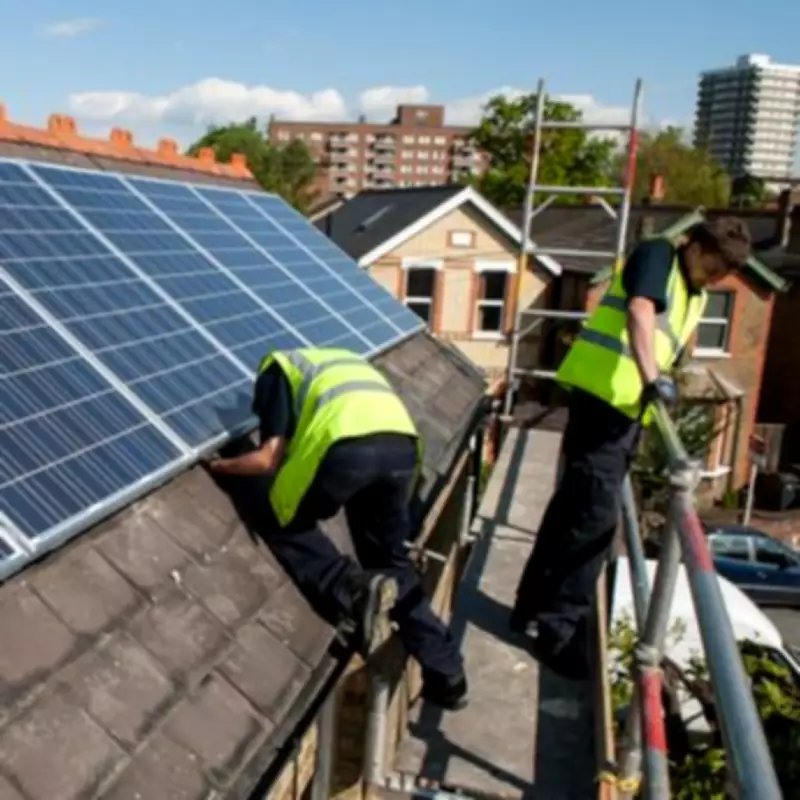
Transport for London (TfL) has unveiled an ambitious solar power project in partnership with SSE Energy Solutions, aiming to directly feed renewable electricity into the London Underground network. This initiative involves constructing a series of small-scale solar installations across multiple locations, designed to power a significant portion of the Tube system. Officials project that these solar panels could generate enough energy to power the equivalent of the entire Victoria Line for approximately nine months each year, marking a substantial step toward TfL's goal of using 100% renewably sourced electricity by 2030.
Solar Energy Output and Impact on the Victoria Line
Once fully operational, the solar installations are expected to deliver up to 65,000 megawatt hours (MWh) of energy annually. This output is equivalent to around three-quarters of the estimated annual consumption of the Victoria Line, which serves up to 250 million passengers yearly. While this represents just over four percent of TfL's total energy consumption of 1.6 terawatt hours per year, it underscores a critical move in reducing the network's carbon footprint. Lilli Matson, Chief Safety, Health and Environment Officer at TfL, emphasized that this project is a key component of the broader transition to renewable energy, though it is only one step in the journey.
Installation Sites and Strategic Partnerships
The solar panels will be installed on a variety of TfL-owned sites, including large rooftops, extensive car parks, and depot facilities. Ms. Matson indicated that the approach will involve a mix of large-scale panels and smaller units distributed across the network. In a separate arrangement, TfL has a deal with EDF to build a solar installation on Longfield Farm in Essex, set to begin construction in 2026. However, unlike the SSE partnership, this project will connect to the National Grid, with only 20% of its output allocated to TfL. The SSE agreement ensures that all generated energy feeds directly into TfL's private electricity supply, enhancing efficiency and reliability.
Addressing Weather Variability and Energy Security
Naturally, electricity generation from solar panels will fluctuate based on weather conditions, with the 65,000 MWh target representing an optimal scenario rather than a constant baseline. Ms. Matson reassured that TfL will not face shortages during cloudy or rainy periods, as the majority of the network's electricity is sourced from the National Grid. Additionally, a backup power plant in Greenwich, operational since 1988, provides emergency supplies if needed. This layered approach ensures that Londoners can rely on uninterrupted Tube services while benefiting from greener energy sources.
Broader Environmental Initiatives and Customer Benefits
Beyond solar power, TfL is implementing several other eco-friendly measures to 'green' the network. These include the electrification of London's entire bus fleet and the conversion of lighting across stations to energy-efficient LEDs. Ms. Matson highlighted that customers can expect a cleaner, brighter, and more pleasant environment in stations, powered by sustainable energy. The partnership with SSE Energy Solutions also supports the creation of green jobs, contributing to London's economic and environmental resilience. This comprehensive strategy aligns with TfL's commitment to reducing emissions and enhancing the overall travel experience for millions of passengers annually.



