
Electric Vehicles Offer Key to Reducing Australia's Foreign Fuel Dependence
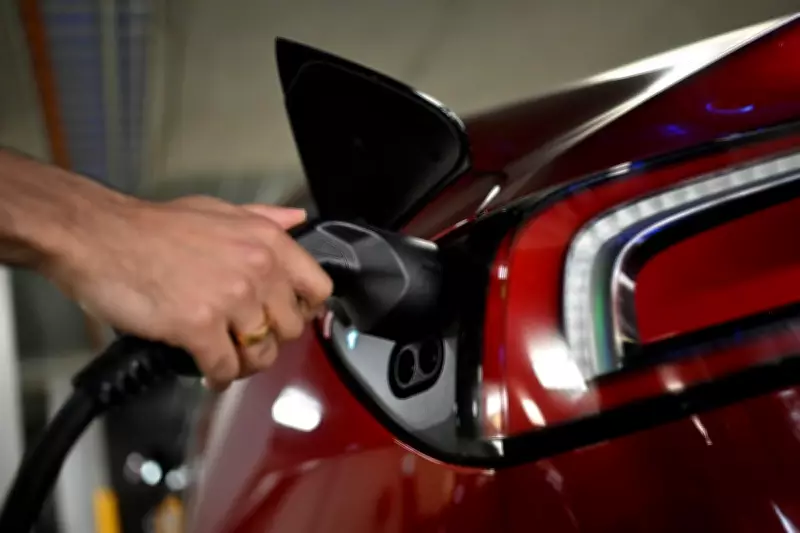
Electric vehicles (EVs) are emerging as a critical solution for Australia to diminish its reliance on foreign fuel while advancing toward net zero emissions goals. According to experts, replacing 1 million petrol-powered cars with EVs could cut annual fuel imports by more than 1 billion litres, significantly enhancing the nation's economic security and energy independence.
Expert Insights on EV Impact
Hussein Dia, a professor of transport technology and sustainability at Swinburne University of Technology, highlighted that EVs play a meaningful role in improving Australia's energy sovereignty. "Each EV replacing a petrol vehicle effectively eliminates that fuel demand and shifts energy consumption to electricity, which is largely produced domestically," Dia explained. This shift reduces exposure to global oil price shocks and strengthens the resilience of the transport system, helping avoid recurrent energy crises.
Dia provided illustrative examples: a typical petrol car traveling 15,000km per year consumes roughly 1,150 litres of fuel. Thus, even moderate EV penetration can make a noticeable difference. Currently, Australia has about 420,000 EVs on the road out of a national fleet of 20 million cars, representing only 2%. Replacing half of all vehicles with electric versions would slash annual fuel consumption by approximately 12 billion litres, given that diesel and petrol cars burn through about 25 billion litres yearly.
Current Market Trends and Price Sensitivity
Recent global events, such as the US-Israel war on Iran, have triggered energy shocks, pushing unleaded petrol prices in major east coast cities to $2.30 per litre, a 30-40 cent increase in just two weeks. Diesel prices are nearing $2.65 per litre or higher in regional areas. Alison Reeve, director of the Grattan Institute's energy and climate change program, noted that this crisis could spur a major shift in how Australians and policymakers view EVs.
New figures from the Australian Automobile Association show petrol and diesel cars accounted for a record low two in three vehicle sales in the final quarter of last year, down from 70% in the previous quarter. Petrol prices have risen 15-20% since the start of the month. A study on Scandinavian nations found that a 1% increase in petrol prices correlates with an average 0.85% rise in EV sales, indicating that EV adoption is more sensitive to petrol prices than electricity costs.
Policy Implications and Future Outlook
Matt Kean, chair of the Climate Change Authority, emphasized that electrifying transport reduces emissions and exposure to global oil prices, with events making this advice increasingly relevant. "March could see a record month for EV sales, and momentum may continue as motorists remember the shockwaves from the Middle East," Kean said. However, talk of the government potentially scaling back EV incentives in the upcoming budget comes at an inopportune time, according to Reeve, who stressed the need for proactive measures to prevent future energy crises.
In summary, boosting EV adoption is not only vital for environmental goals but also for securing Australia's long-term economic resilience against geopolitical shocks that affect oil markets.



