
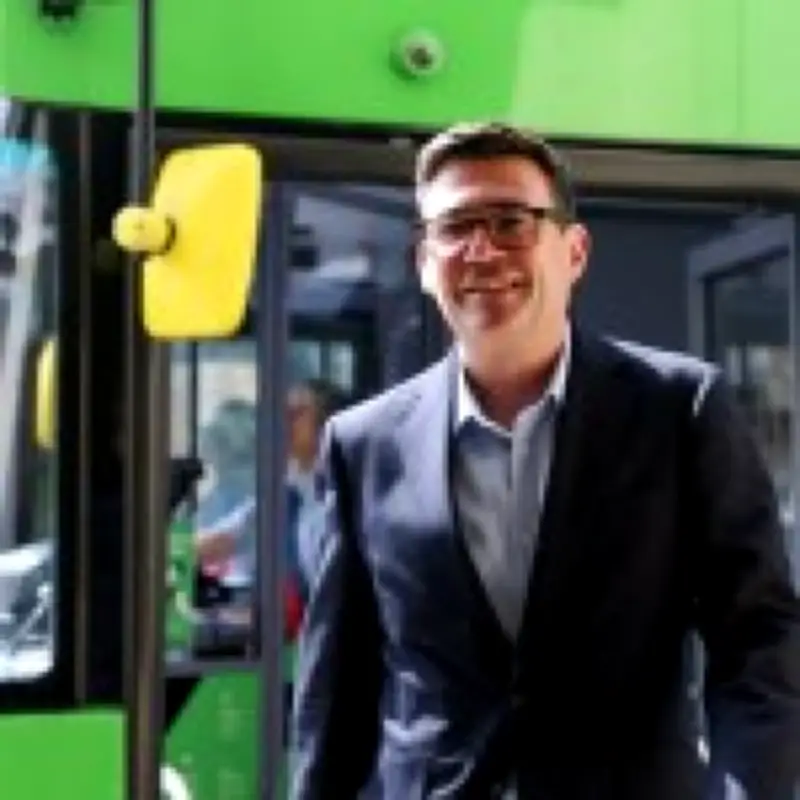
New Prime Minister Andy Burnham has announced plans to bring London-style integrated public transport to the entire country, putting England on an 'accelerated path' towards a unified system. Speaking in Bath to launch the extended £2 bus fare cap, Burnham outlined his vision for a single ticketing and scheduling system covering buses, trams, and trains, similar to the Bee Network he introduced as Mayor of Greater Manchester.
Integrated transport vision
Burnham told Metro: 'I'd love to see this across all of England, integrating buses and trains and trams where they exist into a single system. So when you tap in, it's like London, you're all under the cap, and people can take as many buses and trains as they like and they only pay up to a certain level. That's what we need.' He added: 'I think most other countries have it. I'm going to put Britain on an accelerated path to lower cost, integrated public transport.'
In London, a single bus ride costs £1.75 with no extra charge for other rides taken within an hour, and the daily cap on fares is £5.25. Beyond London and Manchester, other areas with integrated transport networks include Tyne & Wear and Nottingham.
£2 bus fare cap extended
The £2 bus fare cap, originally a Conservative policy, will apply to participating buses in England from January 1 next year until the end of 2027. Burnham described the Manchester cap as 'probably the most popular thing I ever introduced'. He said: 'It's just simple, it helps people every day, it encourages people out of their cars, it connects people to jobs and training. It's one of those policies that works on every single level, and it works for the public most of all because it deals with their main concern, the cost of living pressures they're under.'
In 2024, then-PM Sir Keir Starmer announced the fare cap would rise from £2 to £3 as funding for the original Conservative policy was set to expire. Burnham responded by keeping the cap intact for Greater Manchester, saying it would 'help our residents in these difficult times'.
Funding and impact
The PM said the measure would be funded through 'reprioritisation' of government cash, adding: 'I'm not making commitments that I can't pay for.' According to Downing Street, the money will be lifted from the Department of Energy Security and Net Zero budget, by using underspends and switching international climate finance investments to loans.
Transport Secretary Heidi Alexander, who kept her job in Burnham's Monday reshuffle, said: 'We're cutting fares by a third to help with the cost of living, open up opportunities and keep people connected to work, school, healthcare and their friends and family.'



