Amsterdam Takes Action Against Fatbikes Following Alarming Accident Statistics
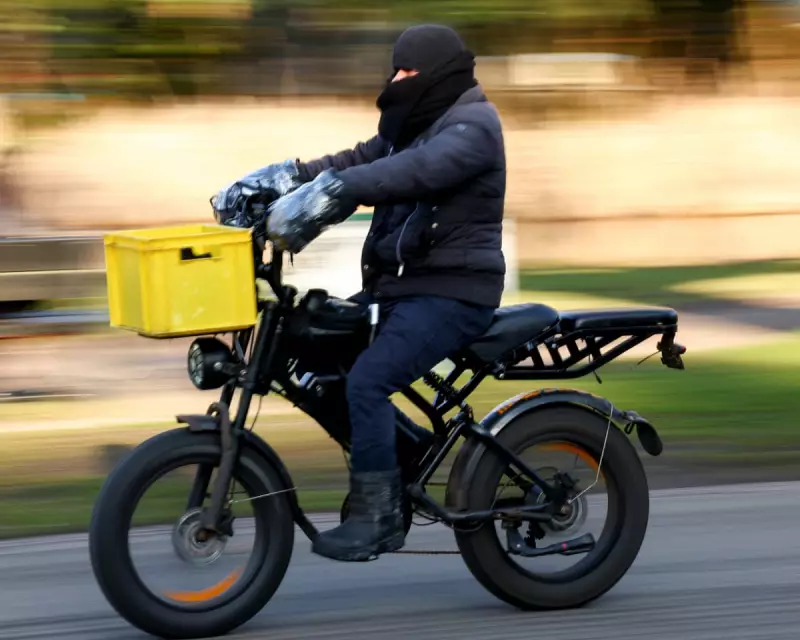
The bustling Vondelpark in Amsterdam, typically filled with the gentle hum of traditional bicycles, has become a hotspot for a new and concerning trend: the proliferation of wide-tyred electric fatbikes. These souped-up vehicles, capable of reaching modified speeds of up to 25mph in crowded park lanes, are now at the centre of a major public safety debate. In response to a marked increase in serious accidents, particularly among young people, Amsterdam's transport authorities have announced plans to implement a ban on these bikes in city parks, beginning with the iconic Vondelpark.
Rising Casualties and Public Health Concerns
Recent data from the safety organisation VeiligheidNL paints a troubling picture. Based on hospital samples, an estimated 5,000 fatbike riders require treatment in accident and emergency departments each year across the Netherlands. A spokesperson, Tom de Beus, highlighted that young people aged 12 to 15 are disproportionately affected, accounting for many of these cases. This statistic has galvanised medical professionals and policymakers into action, framing the issue as a pressing public health matter.
Melanie van der Horst, Amsterdam's head of transport, described the situation as requiring "unorthodox measures." Her decision follows a stream of public requests urging the city to address the dangers posed by these modified e-bikes. The ban in Vondelpark will establish it as a fatbike-free zone, mirroring similar proposals in other Dutch cities like Enschede, which is drafting a city centre prohibition.
Divergent Views from Park Users and Experts
Reactions within the park itself are mixed. Henk Hendrik Wolthers, a 69-year-old fatbike enthusiast, defended his vehicle as the "quickest means of transport in the city," arguing against the ban. Conversely, Muriel Winkel, a 33-year-old runner, expressed support, noting that souped-up bikes often lead to careless riding that frightens pedestrians and pets like her dog Joop.
Medical experts are advocating for stronger measures. Marcel Aries, a brain injury specialist at Maastricht University Medical Center, emphasised that governments must consider potentially unpopular bans as public health responses to increasingly congested urban environments. His perspective is echoed by Marlies Schijven, a professor of surgery at Amsterdam University Medical Center, whose viral LinkedIn post on dangerous riders has garnered nearly 3 million views. She described the park ban as a "baby step" in addressing a much larger problem of daily pain, misery, and fatalities.
Broader Implications for Cycling Culture and Safety
The controversy extends beyond immediate accidents. Florrie de Pater, chair of the Fietsersbond Amsterdam cycling association, reported that the rise of illegal, high-speed bikes is deterring older adults and children from cycling altogether. This shift threatens the Netherlands' renowned cycling culture, where 48% of bicycles sold in 2024 were electric, with fatbikes comprising an additional 13%, according to industry figures.
Wolthers, while critical of the ban, acknowledged part of the problem lies with young riders. He pointed out that children often lack the experience to assess traffic risks properly, leading to hazardous behaviour. This sentiment underscores a key tension: balancing innovation in active mobility with the need for stringent safety protocols, especially as other countries may soon face similar challenges with electric bike adoption.
As Amsterdam moves forward with its ban, the debate highlights a critical juncture for urban transport policy. The measures aim to protect vulnerable road users while prompting a broader conversation about regulation, enforcement, and the future of sustainable mobility in cities worldwide.