
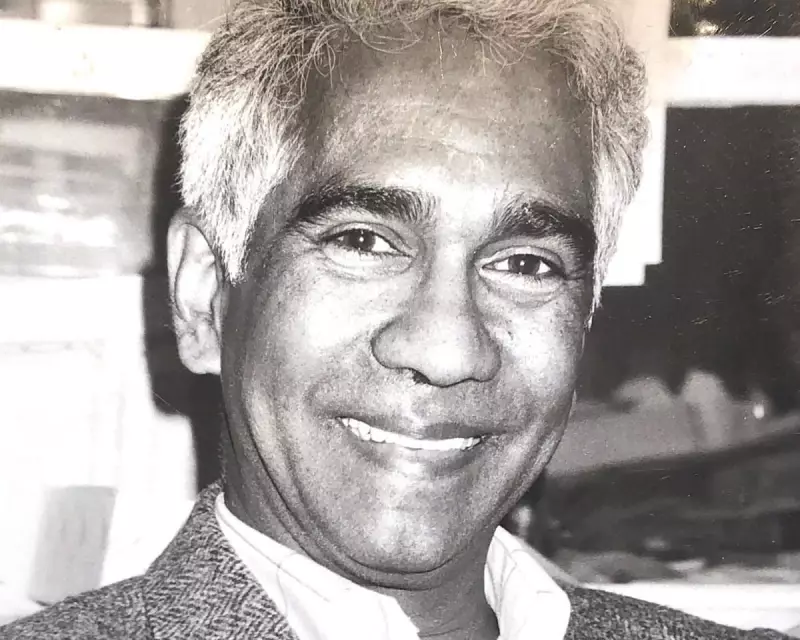
The UK cycling community is mourning the loss of one of its most passionate advocates, Abu Zafar, who passed away on 16th November 2025 at the age of 74. Known affectionately as London's 'Bicycle Mayor', Zafar dedicated over four decades to transforming the city's cycling landscape and promoting sustainable transport.
A Life Dedicated to Two Wheels
Born in 1951 in what would become Bangladesh, Abu Zafar arrived in Britain during the 1960s, settling in London where he would leave an indelible mark on urban mobility. His journey as a cycling advocate began in the 1980s when he recognised the potential of bicycles to revolutionise city transport.
Zafar's most significant contribution came through his work with the London Cycling Campaign, where he served for many years as a volunteer and later in leadership positions. His approach was unique - he didn't just lobby for change from meeting rooms but took his message directly to the streets, organising community rides and educational programmes.
In 2019, his efforts received formal recognition when he was appointed as London's first official 'Bicycle Mayor', a role that perfectly captured his grassroots approach to cycling advocacy. This position, part of the global Bicycle Mayor Network, allowed him to amplify his message and connect with cycling communities worldwide.
Transforming London's Cycling Culture
Abu Zafar's impact on London's infrastructure and cycling habits was profound and far-reaching. He was instrumental in campaigning for the cycle superhighways that now crisscross the capital, making commuting by bike safer and more accessible for thousands of Londoners.
His advocacy extended beyond infrastructure to cultural change. Zafar understood that getting more people on bikes required addressing practical concerns and building confidence. He pioneered initiatives teaching cycling skills to adults, particularly focusing on communities where cycling wasn't traditionally popular.
Perhaps his most enduring legacy is the dramatic increase in cycling participation among diverse communities in London. Through his work with various cultural groups and his multilingual approach to cycling education, he broke down barriers that had previously prevented many from considering cycling as a viable transport option.
A Legacy That Rolls On
Tributes have poured in from across the cycling world and beyond. Colleagues remember him as a tireless campaigner whose gentle persistence won over even the most sceptical politicians and planners. His ability to bridge divides between cycling enthusiasts, transport authorities, and local communities set him apart as a uniquely effective advocate.
Zafar's influence extended to national cycling policy, where his practical experience informed discussions about urban planning and active travel. His work demonstrated how cities could reimagine themselves around people rather than cars, creating healthier, more connected communities in the process.
Even in his final years, while battling illness, Zafar remained committed to his vision of a London where cycling was safe and accessible for all. He continued to participate in cycling events and advisory meetings, his enthusiasm undimmed by health challenges.
As London continues to expand its cycling network and more people take to two wheels, Abu Zafar's legacy is visible on every protected cycle lane and in every new cyclist gaining confidence on the city's streets. His life's work demonstrates how one person's passion, when combined with practical action and community engagement, can transform how an entire city moves.
The cycling community has lost one of its most beloved figures, but the wheels he set in motion continue to turn, carrying forward his vision of a more sustainable, healthy, and connected London for generations to come.



