
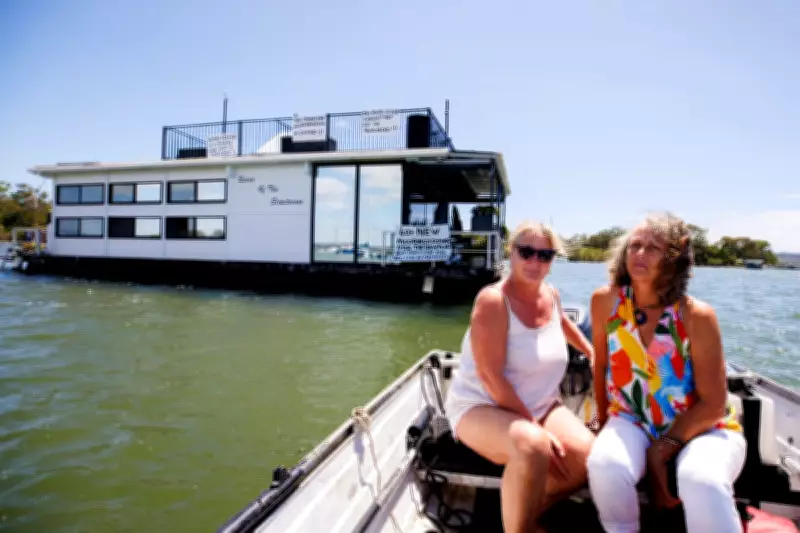
Noosa River Houseboat Residents Face Eviction Amid New 28-Day Anchoring Limit
In the picturesque Noosa River on Queensland's Sunshine Coast, a new 28-day anchoring limit has sparked a fierce debate over river access, housing affordability, and class divides. Houseboat owners, many of whom were priced out of Noosa's skyrocketing property market, now fear they will be forced off the water, with some accusing the rule of favouring wealthy residents in multimillion-dollar mansions.
The Housing Crisis Pushes Residents to the Water
Sally White, a dental nurse, exemplifies the struggle faced by long-term residents in Noosa. During the pandemic, housing prices in the once-sleepy regional town surged, locking many out of the market. In 2021, White purchased a houseboat for $150,000, a stark contrast to the median price of $920,000 for a one-bedroom unit in the area. Her floating home offered not just affordability but also coveted waterfront views.
However, White and approximately 20 other houseboat owners now face uncertainty due to a state-imposed 28-day limit on anchoring vessels longer than 5 metres in the Noosa River. The deadline, which took effect on 1 January, passed recently, leaving residents worried about eviction from homes they have occupied for years.
Safety Concerns Versus Class Accusations
Proponents of the rule, including authorities and some local groups, argue that the river has become congested with dozens of vessels, posing safety risks for recreational boating. A 2023 report by the transport department highlighted that anchored vessels restrict sightlines and public access, contributing to crowding and amenity impacts. Andrew McCarthy, founder of the Noosa Boating Fishing Alliance, notes that the shallow river—sometimes as little as 30cm deep—once hosted up to 250 boats in a short stretch, endangering activities like junior sailing and paddleboarding.
Yet, houseboat residents like White and artist Sally Hayes see the rule as a class-based move to clear the river for affluent homeowners. White has adorned her houseboat, Queen of the Slipstream, with signs proclaiming, "The river is for everyone!!! Not just the privileged!!!" She claims the limit is designed to remove houseboats to improve views for riverside mansion dwellers, and has even faced online abuse, being called "scum" in debates over the rule.
The Broader Context of Noosa's Housing Market
Noosa's housing market has been among the hottest in Australia, with prices rising by about 110% since the pandemic, according to local real estate agent Robbie Neller. This surge has led to what Neller terms a "Manhattanisation" of the area, where low-paid service workers are forced out, leaving businesses reliant on working holiday visa holders. The local council has historically been sceptical of housing development, with a 1995 attempt to cap the population at 56,500, further exacerbating affordability issues.
For houseboat residents, moorings—permanent, approved fixtures—offer a potential solution, but these are in short supply. Sandy Bolton, the local independent state MP, states that the community strongly supports capping moorings at current numbers, denying any class motivation behind the rule. She emphasises that the measure aims to end the river being used as a free long-term storage facility and offers assistance to residents with special circumstances, such as financial hardship.
Residents' Responses and Future Prospects
The state government estimates about 120 vessels are anchored in the Noosa River, with 20 used as full-time residences and nine as part-time accommodation. While some vessels are abandoned or expensive recreational catamarans, residents like Hayes express a willingness to pay for moorings if available. However, with options limited, Hayes plans to sell up and leave the area if forced to move, citing not just affordability but a sense of unwelcome among certain community segments.
Maritime Safety Queensland defends the rule, stating it ensures the river can be safely enjoyed by all and not used as a long-term storage facility. As the debate continues, the fate of Noosa's houseboat community hangs in the balance, highlighting broader issues of housing crises, river management, and social equity in one of Australia's most sought-after coastal destinations.



