
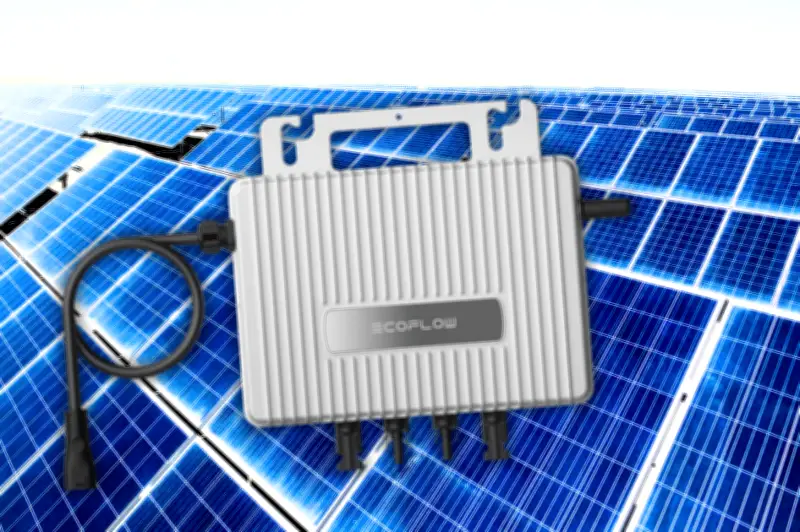
A significant rule change on August 27 is set to revolutionize the UK's solar energy market, with plug-in solar panels becoming more accessible and financially rewarding. Under the new regulations, households with plug-in solar panels will be eligible for export payments for the first time, a move that could triple demand for these affordable systems.
What is the New Rule?
The rule change, confirmed by the Department for Energy Security and Net Zero, allows plug-in solar panels to export excess electricity to the grid without requiring prior permission, provided the system's capacity does not exceed 3.2kW. Previously, these panels were limited to powering appliances directly and could not feed electricity back into the grid. Now, homes can receive payments through the Smart Export Guarantee (SEG) scheme, with rates varying by supplier.
According to industry experts, this change removes a major barrier for consumers. “This is a game-changer for renters and those who cannot install traditional rooftop panels,” said a spokesperson for Solar Energy UK. “Plug-in systems are cheaper, easier to install, and now offer a return on investment through export tariffs.”
Why the Demand Surge?
The potential for a 300% increase in demand is driven by several factors. First, plug-in solar panels are significantly cheaper than full installations, with prices starting around £300. Second, the new export payment offers a financial incentive that was previously unavailable. Third, the ongoing energy crisis has heightened interest in renewable energy sources.
Data from the Microgeneration Certification Scheme (MCS) shows that installations of plug-in panels have already risen by 50% in the first half of 2023. With the rule change, analysts predict that number could triple by the end of the year. “We expect to see a surge in sales, particularly among flat dwellers and tenants,” noted a retail analyst at Energy Saving Trust.
How Does the Export Payment Work?
Under the SEG, energy suppliers with over 150,000 customers must offer a tariff for exported electricity. However, the new rule simplifies the process for plug-in systems: households no longer need to apply for permission from their Distribution Network Operator (DNO). Instead, they can simply register their system with their supplier and start exporting.
Typical export rates range from 3p to 15p per kWh, depending on the supplier. For a household using a 2kW plug-in system, this could generate annual savings of up to £150 on electricity bills, while also earning around £60 in export payments. Over the system's 20-year lifespan, that equals roughly £3,000 in benefits.
Impact on the Energy Market
The change is expected to boost the UK's renewable energy capacity, contributing to the government's target of 70GW of solar power by 2035. Currently, the UK has around 15GW of installed solar capacity, with plug-in systems accounting for a small fraction. However, the ease of installation could accelerate deployment significantly.
Environmental groups have welcomed the move. “This democratizes solar energy,” said a campaigner at Friends of the Earth. “It allows more people to participate in the green transition and reduce their carbon footprint.”
Potential Challenges
Despite the enthusiasm, there are concerns about grid stability. National Grid has stated that it is prepared for an influx of small-scale generators, but some experts warn that without proper management, local grids could face voltage fluctuations. The rule includes a provision for DNOs to restrict exports in areas with high solar penetration, ensuring safety.
Consumers are advised to check with their energy supplier to ensure they are offered a SEG tariff. Suppliers are required to offer export payments, but not all may have specific tariffs for plug-in systems yet. The government has said it will monitor the market to ensure fair access.
How to Take Advantage
To benefit from the rule change, households need to:
- Purchase a plug-in solar panel kit with an inverter that meets the 3.2kW limit.
- Have a smart meter installed to measure exports accurately.
- Register the system with their energy supplier to start receiving payments.
With the average cost of a plug-in kit around £300, the payback period is now less than three years, making it an attractive investment for many.



