
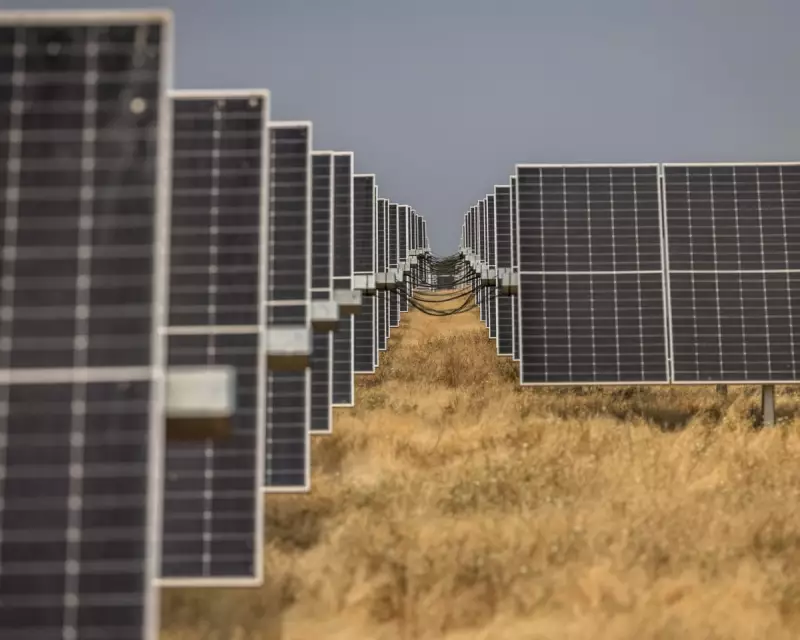
Across Spain, a quiet revolution is transforming how people power their homes and businesses. Communities are banding together to create their own renewable energy sources, cutting electricity bills while fighting climate change.
The Pioneers Taking Power Back
In the sun-drenched region of Andalusia, the small town of Puebla de Vícar demonstrates what's possible when neighbours unite. Here, residents have installed solar panels on municipal buildings through their energy cooperative, Som Energia. Electricity bills have fallen by approximately 20% for participating households, with the community now generating clean power directly from the abundant Spanish sunshine.
"We're not just saving money - we're building something better for our children," explains María José Aguado, a local teacher and cooperative member. "Before, we paid large energy companies every month. Now we invest in ourselves and our community."
The movement isn't confined to sunny southern regions. In the northern Basque Country, the Goiener cooperative has grown to over 10,000 members since its founding in 2012. They've installed wind turbines and solar arrays across the region, proving that community energy works in diverse climates.
How Community Energy Cooperatives Work
These initiatives typically operate as democratic cooperatives where each member has an equal vote, regardless of their financial investment. Members contribute to funding renewable installations, then benefit from the electricity generated. Any surplus power is fed back into the national grid, creating additional revenue for the community.
Spain's regulatory framework has evolved significantly to support this movement. Recent legislation has removed administrative barriers that previously made small-scale energy projects challenging to establish. The government has streamlined permitting processes and created more favourable conditions for energy sharing between producers.
The economic benefits extend beyond lower electricity bills. These projects create local jobs in installation, maintenance, and administration. They also keep energy spending within the community rather than sending profits to distant corporate headquarters.
National Impact and Future Potential
Spain's community energy movement now involves hundreds of initiatives nationwide, with participation growing steadily each year. While still a small percentage of the country's total energy production, these projects demonstrate an alternative model that prioritises people over profits.
Environmental benefits are equally significant. Each community energy project displaces fossil fuel generation, reducing carbon emissions and improving local air quality. The decentralised nature of these systems also makes the broader energy network more resilient.
As climate concerns intensify and energy prices remain volatile, Spain's community energy revolution offers a compelling blueprint. It proves that ordinary people can take meaningful action against climate change while simultaneously addressing economic challenges.
The success of these Spanish communities provides valuable lessons for other nations considering similar transitions. As more towns and cities watch these pioneers thrive, the movement continues to gain momentum, lighting the way toward a more sustainable and equitable energy future.



