
The International Energy Agency has declared that the rapid expansion of renewable energy will inevitably seal the end of the fossil fuel era, despite political resistance from figures like Donald Trump who advocate for continued oil and gas drilling.
Unprecedented Renewable Expansion
According to the watchdog's flagship annual report, the world is poised to construct more renewable energy projects in the coming five years than have been developed over the past four decades. This represents the most significant acceleration in clean energy deployment ever recorded.
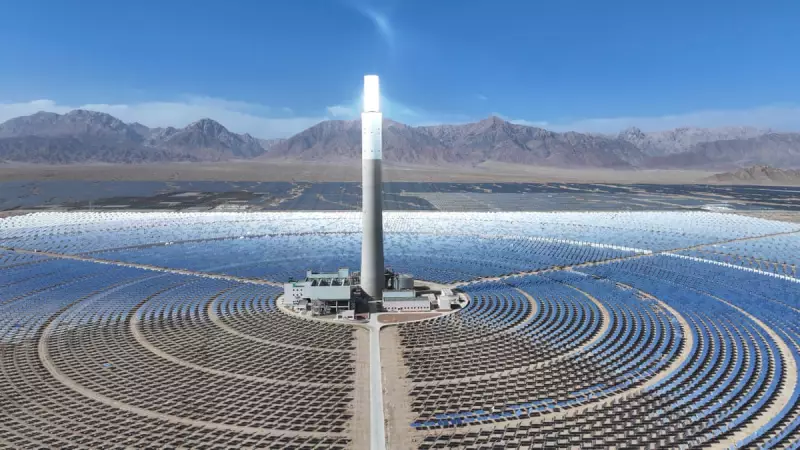
The IEA found that renewables will grow faster than any other major energy source during the next decade. This expansion is largely driven by a surge in affordable solar power across sun-rich regions including the Middle East and Asia, exemplified by massive solar thermal plants like the one in Qinghai, China.
The projected increase in renewable energy capacity could satisfy nearly all of the world's growing electricity demand, which is expected to rise by 40% over the next ten years. This growing appetite for power is fuelled by increasing adoption of electric vehicles, heating and cooling systems, and the substantial energy requirements of artificial intelligence datacentres.
Nuclear Renaissance and Digital Demands
The report also highlights a significant revival for nuclear power, driven primarily by major technology companies seeking reliable low-carbon electricity to power their expanding datacentre operations. The scale of this investment is staggering, with global spending on datacentres projected to reach $580 billion in 2025, surpassing the $540 billion allocated to global oil supply.
David Jones, chief analyst at energy thinktank Ember, emphasised that the transition is now unstoppable. "Renewables and electrification will dominate the future – and all fossil-importing nations will gain the most by embracing them," he stated.
Jones added that evidence of this transformation is visible worldwide: "EV sales are taking off in many emerging countries, solar is permeating even through the Middle East. Fossil fuel importing countries are still reeling from the energy crisis and are trying to urgently reduce their reliance on expensive and insecure fossil fuels."
Political Pressure and Global Implications
The Paris-based agency has reportedly faced pressure from US Republicans to present a more optimistic outlook for the fossil fuel industry in its forecasts. In response, the IEA reintroduced a scenario from previous reports offering "a cautious perspective" on the energy transition's pace.
This conservative scenario appears to underestimate electric vehicle adoption rates, leading to higher oil consumption forecasts than in the IEA's central projections. However, analysts maintain that the rapid expansion of renewables remains "inevitable" regardless of these political influences.
David Tong, a campaigner at Oil Change International, asserted that the IEA's findings confirm that "no single country can stop the energy transition." He called on world leaders preparing for the UN's Cop30 climate talks in Belém, Brazil to reject "Donald Trump's dystopian future" and instead commit to a "fast, fair, and funded fossil fuel phase-out."
The report's conclusions are expected to empower leaders who plan to use the Cop30 negotiations to advance progress toward the global target of tripling renewable energy by 2030, an ambition agreed upon at Cop28 in Dubai.
Despite Trump's efforts to withdraw support for US renewable energy development – which the IEA estimates will result in about 30% less solar power in the US by 2035 than previously forecast – renewable energy continues its "rapid expansion" globally.
Mariana Paoli, head of advocacy for Christian Aid, highlighted the urgency for wealthy nations to act: "The IEA's report confirms what many climate-vulnerable communities have known for years: the fossil fuel era is ending but governments are still dragging their feet when it comes to building the clean energy systems that need to replace it."
She emphasised the contradiction in continued public investment in new fossil fuel projects that the IEA itself deems unnecessary, stating that "oil and coal are peaking, renewables are surging, yet public money continues to flow into new fossil fuel projects."



