
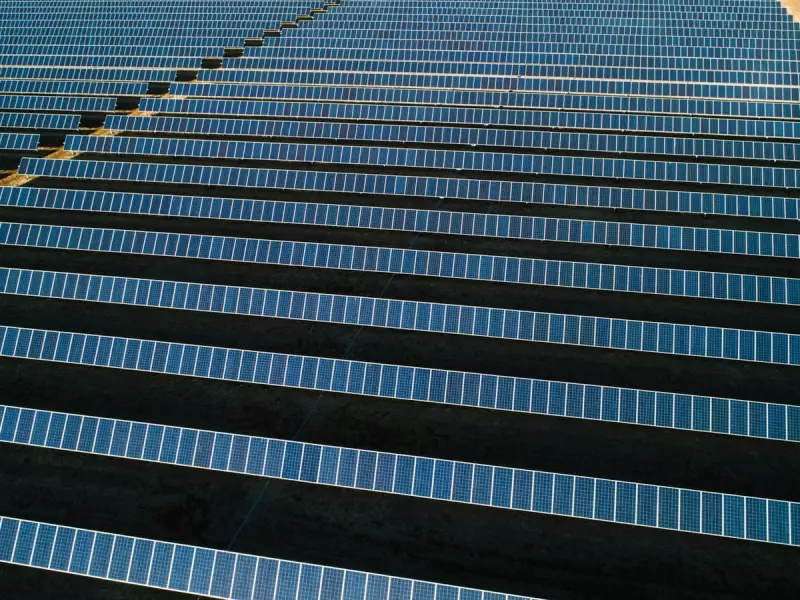
A proposed solar energy development of unprecedented scale in Australia's Northern Territory has ignited both excitement about green industrial potential and serious environmental concerns. SunCable's ambitious project would clear approximately 50,000 hectares of land in the Barkly region - equivalent to 25,000 Melbourne Cricket Grounds - to power artificial intelligence data centres.
Australia's Largest Solar Proposal
The development at Muckaty Station would become Australia's largest solar farm, generating up to 20 gigawatts of electricity - ten times the output of a typical coal-fired power station. This massive project complements SunCable's existing plans for a 12,000-hectare solar farm at Powell Creek Station south of Elliott, forming part of the proposed Australia-Asia Power Link initiative.
According to documents submitted to the NT Environment Protection Authority, the scale of land clearing includes critical habitat for the endangered bilby, raising alarm among conservation groups. The Environment Centre NT described the proposal as "simply gobsmacking" and potentially unparalleled in Australia or worldwide.
Global AI Ambitions Meet Local Concerns
SunCable chief executive Ryan Willemsen-Bell positions the combined Northern Territory developments as "a compelling proposition to attract global investment in an AI datacentre precinct." The company has been in discussions with "global hyperscalers" - major cloud computing providers - over the past 18 months seeking "low cost, low carbon energy solutions."
These unnamed companies are reportedly targeting initial data centre operations in the Barkly region by 2028, with plans to scale up to meet growing AI infrastructure demands in subsequent years. Willemsen-Bell emphasised that off-grid infrastructure could reduce data centre impacts on the national electricity market while positioning Australia as a global leader in sustainable AI infrastructure.
However, Environment Centre NT executive director Kirsty Howey expressed concerns that the project "won't deliver energy security to communities in the Barkly region, who are experiencing chronic energy poverty and injustice amid worsening impacts of climate change."
Environmental Safeguards and Traditional Owner Engagement
SunCable has committed to refining the project footprint to "avoid direct impacts to occupied greater bilby sites" and acknowledges that large projects attract close scrutiny. A company spokesperson stated that further studies in consultation with traditional owners would help select smaller sites within the 50,000-hectare "area of interest."
The company recently reached an agreement with traditional owners and the Northern Land Council for construction of the 12,000-hectare Powell Creek Station solar farm, demonstrating progress in indigenous engagement. SunCable maintains its commitment to avoiding or mitigating effects on bilby populations and ensuring sustainable water resource use in the arid region.
Energy systems researcher Dr Dylan McConnell from the University of New South Wales cautioned that questions remain about how much of the projected data centre demand will materialise, suggesting some public discussion may be "hype."
As the environmental assessment process continues, SunCable emphasises its commitment to gathering evidence and refining the project design before any final decisions are made about this potentially transformative - yet controversial - renewable energy initiative.



