
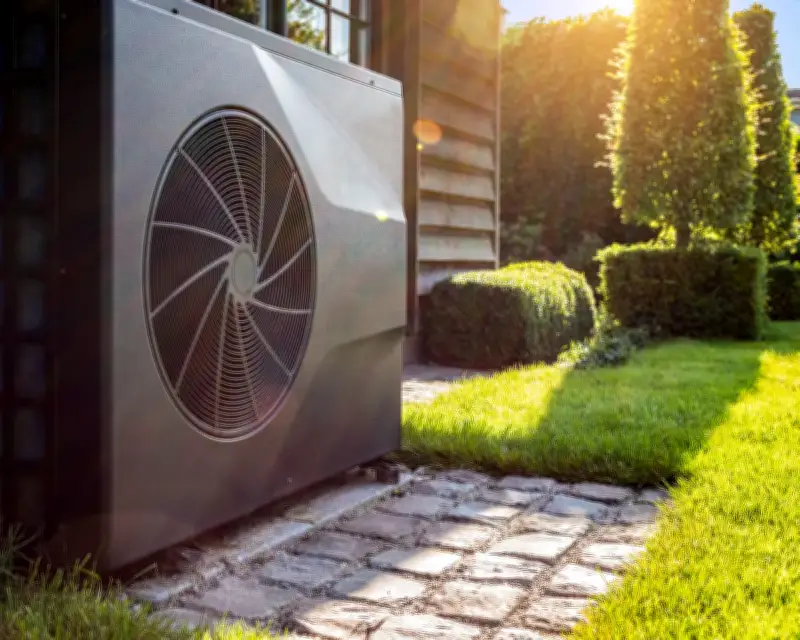
As the UK experiences more frequent heatwaves, a recent study has found that using a heat pump for cooling can 'significantly reduce overheating' in modern homes. This finding comes as homeowners like Andrew Ingram of Maidenhead, Berkshire, report remarkable success with the technology. Ingram, who lives with his wife Sue, says, 'If it is 35C outdoors, I can get the temperature down to 21C.' He jokes about needing thick pyjamas on cool nights in his living room, which has become a sanctuary during hot weather.
How Heat Pumps Provide Cooling
Heat pumps work by transferring heat energy from one place to another, rather than generating heat from burning fuel. Despite their name, they can operate in reverse to cool homes. The Ingrams installed an air source heat pump, which extracts heat from the outside air to warm radiators in their three-bedroom house, a system known as air-to-water. In 2023, when they replaced their gas boiler, the installation firm suggested they consider cooling options for certain rooms.
'We thought about it because the sitting room gets really hot, and that's the room we spend time in,' Ingram explains. The couple added a fan coil unit in the living room, which blows air over hot or cold pipes, to enhance the cooling effect. The entire new home energy system cost approximately £18,600, with the cooling aspect accounting for £1,700 of that. Ingram describes the process: 'If you're pumping cool water around a property, it's a bit like putting cool beer in a glass on a warm day.'
Government Grants and Growing Interest
The government's boiler upgrade scheme offers grants of £7,500 to homeowners in England and Wales for installing air-to-water or ground-to-water heat pumps. Households not connected to the gas grid can receive an additional £1,500, bringing the total to £9,000. In Scotland, interest-free loans or grants may be available for energy efficiency improvements. To qualify, heat pumps must be certified through the Microgeneration Certification Scheme, which also certifies installers.
Previously, heat pumps that also cooled required planning permission, as permitted development rights rules stated they had to be solely for heating. The rules have now been updated to allow cooling. This change could boost adoption, as Britons have mostly installed air-to-water systems; of the UK's 358,000 heat pumps, approximately 323,000 are this type, according to MCS data. The government is also offering £2,500 grants for air conditioning units that can heat and cool, known as air-to-air heat pumps, which use wall-mounted fans and cost about £4,500 to fit in a flat or small house. Air-to-water heat pumps typically cost around £12,000.
Scientific Evidence and Cost Considerations
The recent study, conducted in the Energy House 2.0 – a £16m climate-controlled chamber at the University of Salford – found that using a heat pump for cooling can 'significantly reduce overheating' in modern homes. Two new modern houses were built inside the facility to test performance under extreme conditions. Scientists paired a heat pump with fan coils in one house; when the lab weather was 32C, the rooms stayed comfortable at between 19C and 24.9C. Running the heat pump around the clock cost £2.50-£3 a day.
Prof Lubo Jankovic, the scientist leading the research, says the results 'demonstrate that reversible heat pumps can play an important role in protecting future homes against overheating.' However, he notes that designing systems with both heating and cooling in mind 'needs to be addressed before cooling this way becomes mainstream.'
With the October price cap predicted to exceed £1,700 a year for a typical dual fuel bill, many homeowners wonder if a heat pump will save money. A recent poll by the consumer group Which? found growing consumer interest in heat pumps, but also described them as a 'high-stakes gamble' due to unfamiliarity, high upfront costs, and uncertain impact on bills. To help, the charity Nesta runs the 'visit a heat pump' scheme, offering tours of more than 1,200 homes, including the Ingrams'.
The Energy Saving Trust says the biggest savings come from switching to a dedicated heat pump energy tariff and adding other green technologies like solar panels. Heat pump users on a time-of-use tariff can save about £330 a year compared with a flat-rate tariff, rising to about £800 with extras such as solar, though these add to upfront costs. The Ingrams have solar panels and a home battery to reduce bills. Ingram explains, 'There's lots of juice in the batteries from the solar. The batteries charge up overnight if they're not full, but they have been recently. So if you want to run the pump, it is running on free or very cheap electricity.'



