Bristol is set to become the first city in the world to establish a dedicated clean power hub specifically designed to supply renewable energy to festivals, large concerts and film productions throughout next summer's event season.
Groundbreaking Environmental Initiative
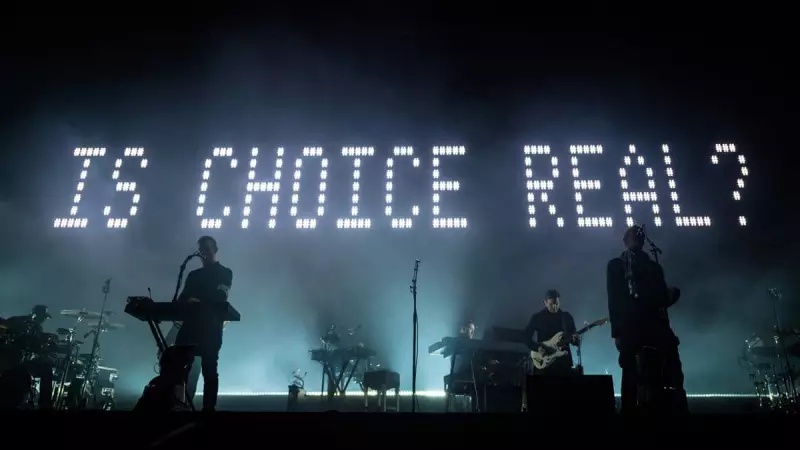
In an unprecedented move for local government, Bristol City Council and the West of England Mayoral Combined Authority have collaborated to guarantee a substantial supply of clean, mobile power for the creative industries. The initiative follows successful experiments with battery-powered events, including a Massive Attack performance last summer that achieved the lowest-ever carbon emissions recorded for such a concert.
Council Leader Tony Dyer emphasised that achieving carbon neutrality requires action across all sectors, including culture. "This is a welcome approach to exploring how we can support the events sector to move away from fuel-driven generators," he stated, highlighting the dual benefits of improved air quality and reduced emissions.
How the Clean Power Hub Works
The innovative scheme will establish two dedicated sites in Bristol where electricity from the National Grid, sourced exclusively from 100% renewable suppliers, will be stored in arrays of portable batteries. These power units can then be transported to wherever events are taking place, providing a clean alternative to traditional diesel generators.
Helen Godwin, Mayor of the West of England, described the project as an "exciting development" that aligns with regional priorities. "People across the west love culture and love our environment. Clean energy and the creative industries are both key growth sectors for us over the coming decade," she affirmed.
Industry Enthusiasm and Practical Implementation
Mark Donne, lead producer of Act 1.5 - the collective of artists, technicians and scientists behind the project - confirmed that no government or commercial body has previously attempted a scheme on this scale. "It's essentially providing clean mobile power for an entire event season," he explained, covering festivals, cultural events and film productions.
Initial interest has been strong, with major Bristol festivals including Love Saves the Day in May and Forwards Bristol in August expressing enthusiasm for the scheme. Donne reported that "everyone is incredibly enthusiastic" though acknowledged some organisers might initially adopt a hybrid approach, combining clean power with conventional generators.
The project has also attracted attention from television and film production companies working in the south-west, with three major companies already committing to use the clean power hub during their summer productions.
Measuring Environmental Impact
Beyond reducing carbon emissions, the initiative represents a significant clean-air strategy for the region. Experts from Tyndall Manchester, a research centre specialising in climate action and sustainability, will conduct thorough analysis to quantify the environmental and health benefits achieved through the scheme.
Donne emphasised the broader significance: "This is a clean-air strategy as well as a climate one, and a world-first for Bristol." The project demonstrates how cities can take practical, scalable action to support their creative sectors while advancing environmental goals, potentially creating a blueprint for other regions to follow.