
Amazon Expands Renewable Energy Portfolio with Nine New Australian Projects
Amazon has announced a significant expansion of its renewable energy initiatives in Australia, entering into power purchase agreements for nine new projects across New South Wales and Victoria. This strategic move aims to source clean energy for the company's data center operations, aligning with its ambitious target to achieve net-zero carbon emissions by 2040. The agreements include one windfarm and ten solar and battery projects, collectively increasing Amazon's renewable energy capacity in Australia from 430 megawatts to nearly 1 gigawatt.
Key Projects and Infrastructure Details
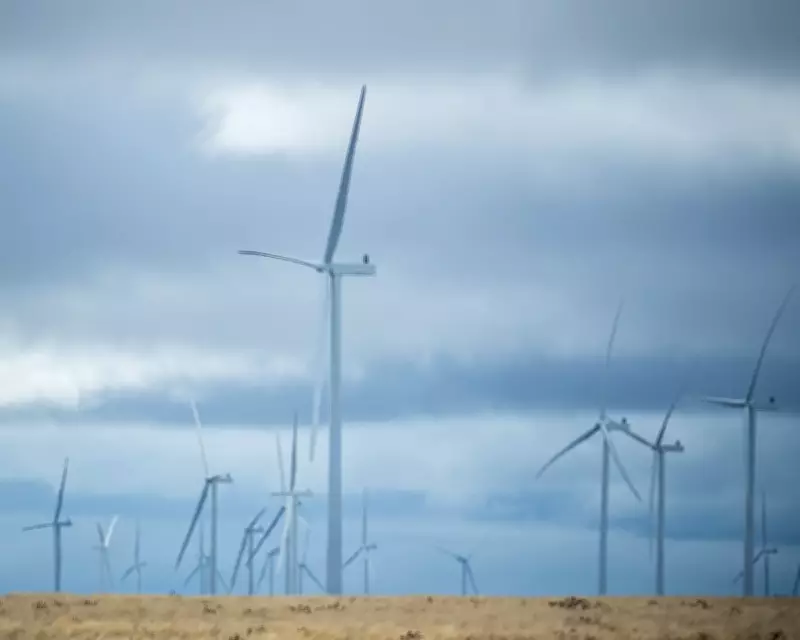
Among the highlighted projects is the Golden Plains 2 windfarm in Victoria, which is the largest windfarm in Australia and commenced operations in 2024. Additionally, Amazon has secured power from a solar and battery storage farm located in Muswellbrook, New South Wales, a site that is being developed on a former coalmine. This investment marks Amazon's first foray into solar-battery hybrid projects outside the United States, underscoring its commitment to innovative energy solutions.
Matt O'Rourke, Head of Infrastructure and Energy Policy at Amazon Web Services for Australia and New Zealand, emphasized the role of battery investments in grid stability. He explained, "Contributing utility-scale batteries allows them to charge when renewable sources are abundant and discharge during peak demand periods, thereby strengthening the overall stability of the electrical grid."
Addressing Environmental and Community Concerns
Despite Amazon's proactive steps, there is growing pushback in Australia regarding data center construction, driven by concerns over environmental impact, power consumption, and water usage. A recent New South Wales parliament inquiry heard from several Sydney councils that raised alarms about these issues. In response, Amazon has promoted its renewable energy purchases but has not disclosed specific data on its data centers' electricity grid consumption.
O'Rourke defended the company's approach, stating, "We do not break down power consumption at the individual country level. From an economy-wide perspective, all data centers in Australia collectively consume a similar amount of electricity as all shopping centers, yet they facilitate the integration of new renewable energy into the grid." This comparison, favored by the data center industry, originates from a Mandala report commissioned in November 2025 by major players including AirTrunk, Amazon Web Services, CDC Data Centres, and NextDC.
Expert Insights and Transparency Issues
Rod Sims, Chair of the Superpower Institute and former competition regulator, expressed concerns about power purchase agreements, noting that many do not bring additional power to the grid but merely supply data centers. He argued, "The lack of market signals, such as a carbon price, hinders the incentive to build renewable energy, which is crucial to meeting growing demand."
Dr. Hao Wang, a Senior Lecturer in Monash University's Data Science and AI Department, welcomed Amazon's investments but called for greater transparency. He said, "If these agreements add new renewables, it is positive. However, we need better insights into data center consumption patterns, including peak demand times, to fully understand their operational impact."
Amazon confirmed that eight of the nine agreements were signed during the development stage of the projects, highlighting its early commitment to renewable energy integration. The company asserts that its partners have conducted extensive community consultations to ensure local benefits from the renewable energy generated.



