Volunteer Wombles Battle England's Fly-Tipping Crisis as Incidents Surge 10%
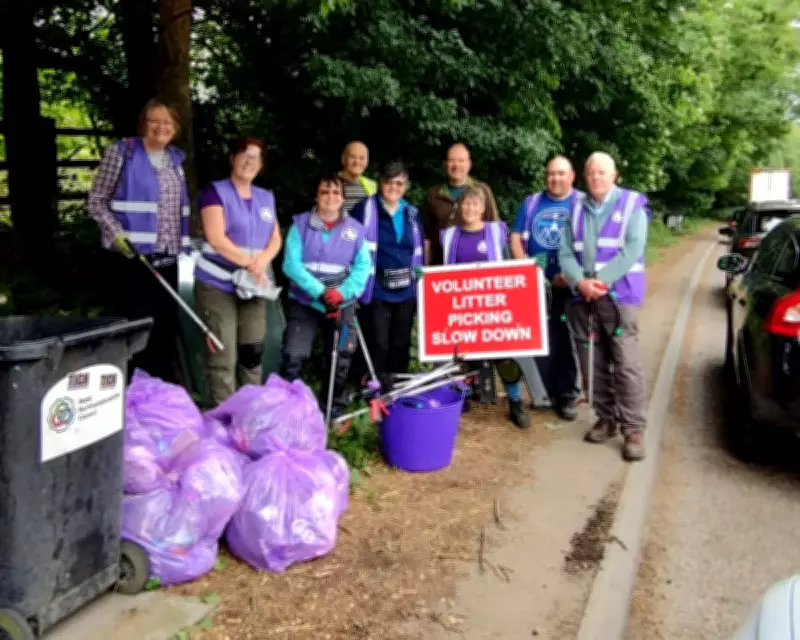
Every Wednesday morning in Brackley, Northamptonshire, Trish Savill and her dedicated band of volunteers known as the Hardcore Wombles gather to confront a growing environmental menace. Their recent morning's work yielded 28 neatly stacked bags of rubbish collected from a single layby, yet this represented just a fraction of the sprawling, rotting refuse that included dumped white goods and more disturbing discoveries.
The Growing Epidemic of Illegal Dumping
Government statistics reveal a troubling trend: local authorities in England dealt with approximately 1.26 million fly-tipping incidents during 2024-25, marking a 10% increase from the previous year. This represents the fifth consecutive annual rise and the highest level since comparable records began in 2012-13. The data shows particularly concerning increases in the most serious incidents, with tipper lorry load incidents rising by 11% and household waste accounting for the majority of illegal dumping.
"We were all just fed up with the filth and realized the council didn't have the staff or money to tackle it," explained Savill, whose frustration three years ago led to establishing what has become three separate litter-picking groups in Brackley. "It was just this amazing community tipping point in response to a growing epidemic of filth."

From Driver Tizer to Criminal Enterprise
The Wombles' discoveries range from the mundane to the bizarre. Savill described finding dozens of bottles of what volunteers affectionately call "driver Tizer" - a euphemism for urine-filled containers left by truck drivers. More disturbing finds have included a torso from a specialist shop and "something nasty" deposited in a hard hat during their most recent collection.
While clearing this waste cost English local authorities £19.3 million last year, the official figures don't capture the full scope of the problem. They only include dumping on public land, while most incidents occur on private property, and they exclude large-scale cases handled by the Environment Agency.
Systemic Challenges and Enforcement Gaps
Josie Appleton, director of the Campaign for Freedom in Everyday Life, identified multiple contributing factors to the crisis. Although the government abolished charges for disposing of DIY waste at household recycling centers, other fees still apply, and many sites operate restrictive booking systems, limited hours, or van access restrictions that discourage lawful disposal.
"This all discourages lawful use and creates opportunities for illegal dumpers," Appleton noted, adding that council budget cuts have reduced enforcement and street-cleaning capacity while increasingly complex waste sorting rules make compliance more difficult.
Environmental and enforcement bodies consistently identify rogue waste operators as major drivers of the problem. In response, ministers have announced tougher measures including crushing vehicles used for fly-tipping, but for farmers like Rachel Hallos, vice-president of the National Farmers' Union, these measures cannot come quickly enough.
"Organized, criminal fly-tipping remains a relentless and costly blight on our countryside," Hallos emphasized.
The Enforcement Dilemma
Despite councils carrying out 572,000 enforcement actions in 2024-25 - an 8% increase from the previous year - court prosecutions actually fell by about 9% to roughly 1,250 cases. The total value of court fines dropped from approximately £730,000 to £673,000, suggesting that while enforcement activity has increased, successful prosecutions have become more challenging.
Research confirms that many offenders are never identified, and far fewer face conviction, creating what appears to be a low-risk, high-reward environment for illegal dumping operations.
Community Solutions and Cultural Change
Across England, volunteer groups like the Wombles have proliferated, with many posting daily videos of themselves clearing laybys, alleyways, and verges. For Yasmine El-Gabry, who transformed a fly-tipped alleyway behind her Manchester home into a planted communal space, the issue represents both a criminal problem and a cultural challenge.

"It is the work of a selfish minority enabled by weak social norms," El-Gabry observed. Rather than confrontation, she favors education and community engagement. "There's enough in this world to pit communities against each other. I'd rather talk to them and show them the importance of keeping our communities clean."
As the Hardcore Wombles continue their weekly battles against Brackley's rubbish, their efforts highlight both the scale of England's fly-tipping crisis and the growing reliance on community volunteers to address what many see as systemic failures in waste management and environmental protection.