Sydney Water Faces Clean-Up Order for Massive Fatberg Following Beach Pollution
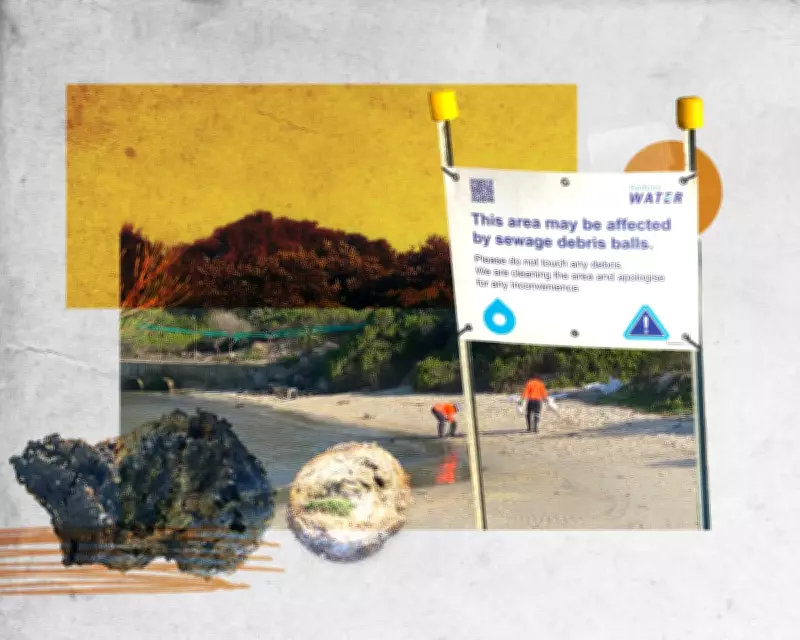
Sydney Water has received a formal directive to remove accumulated fats from its Malabar wastewater treatment facility, following revelations about a substantial fatberg responsible for debris balls that forced the closure of multiple New South Wales beaches during the previous summer season. The state's Environment Protection Authority confirmed on Monday that it has issued a pollution reduction program specifically targeting Sydney Water, mandating comprehensive engineering works to minimize the risk of similar pollution events affecting coastal areas in the future.
The Scale of the Problem
Environmental authorities estimate that the fatberg, potentially measuring the equivalent length of four standard Sydney buses, has accumulated beyond the bulkhead door within the treatment plant's infrastructure. This massive conglomeration of fats, oils, and non-biodegradable materials represents a significant environmental hazard that requires immediate remediation to protect marine ecosystems and public recreational spaces.
The pollution reduction program represents a proactive regulatory response to documented environmental incidents that compromised water quality and beach accessibility. The directive emphasizes systematic infrastructure improvements and operational changes designed to prevent future contamination events that could impact coastal environments and public health standards.

Broader Environmental Implications
This regulatory action highlights growing concerns about wastewater management systems and their capacity to handle modern urban waste streams. The fatberg phenomenon demonstrates how everyday household and commercial waste can accumulate into substantial environmental challenges requiring coordinated intervention from water authorities, regulatory bodies, and community stakeholders.
The clean-up order follows extensive investigation into the source of pollution that affected popular beach destinations, underscoring the interconnected nature of urban infrastructure and environmental protection. Regulatory officials emphasize that compliance with the pollution reduction program will involve both immediate remediation efforts and long-term strategic planning to enhance wastewater treatment capabilities across the metropolitan region.
Environmental monitoring will play a crucial role in assessing the effectiveness of remediation efforts, with particular attention to coastal water quality indicators and marine ecosystem health. The regulatory framework established through this directive creates accountability mechanisms to ensure sustained improvements in wastewater management practices.Community and Economic Impact
Beach closures resulting from pollution incidents have demonstrated tangible consequences for local communities, affecting recreational activities, tourism potential, and public confidence in environmental safeguards. The regulatory response aims to restore and maintain the ecological integrity of coastal environments while supporting sustainable development objectives for the region.
Implementation of the pollution reduction program will require coordinated efforts across multiple operational areas, including infrastructure maintenance, public education initiatives, and regulatory compliance monitoring. The directive establishes clear performance benchmarks for Sydney Water while creating transparency around environmental protection measures affecting urban water systems.