
Privatised Allotments Ignite Nationwide Controversy Over Green Space Access
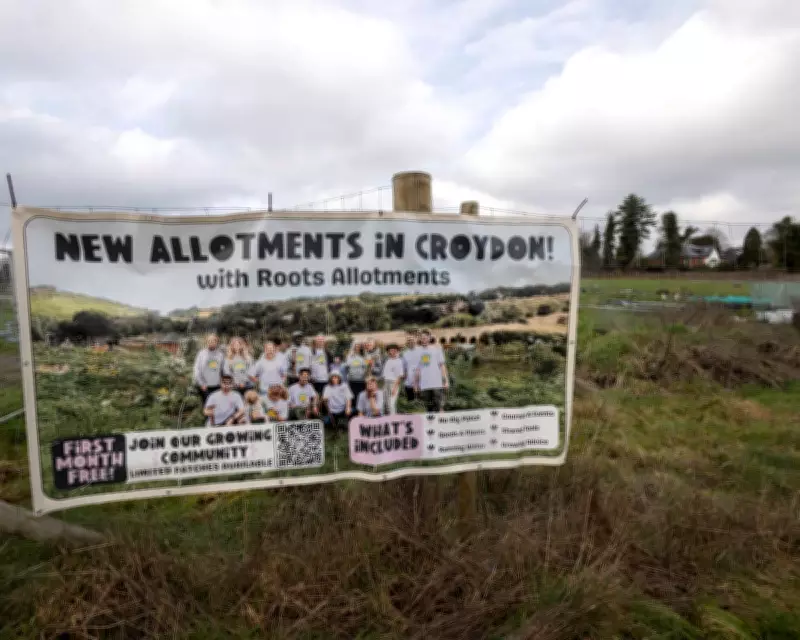
In a bold response to decades-long waiting lists for council allotments across England, the startup Roots has launched a privatised model, leasing farmland to create subscription-based vegetable patches for city dwellers. Founded in 2021 by Christian Samuel, Ed Morrison, and William Gay after facing a 28-year wait in Streatham, south London, the company now operates 20 sites from London to Leeds, serving nearly 5,000 customers. With a recent £6 million fundraise from backers like former Tesco CEO Terry Leahy and Wahaca co-founder Mark Selby, Roots is expanding rapidly, including early plans for a site in Austin, Texas.
Rapid Growth Meets Fierce Resistance
Roots transforms leased farmland into allotments rented for £9.99 to £49.99 monthly, offering plots up to 108 square metres. Described as "WeWork for allotments," the model taps into a massive demand, with over 170,000 people on council waiting lists nationwide. Christian Samuel, 32, emphasises the appeal extends beyond food production to mental health and wellbeing benefits, providing an escape for urban residents.
However, this expansion has sparked intense opposition. What began as a local protest in Bristol in October 2023, where old cars blocked gates to a Roots site on north Somerset greenbelt, has evolved into a nationwide campaign. A Facebook group, Roots Allotments Uncovered, has attracted more than 1,700 members, accusing the company of aggressive tactics, such as developing land before seeking planning permission and only applying when forced by councils.
Community Backlash and Environmental Concerns
Simon Talbot-Ponsonby, 73, chair of the Abbots Leigh parish council near the Bristol site, describes Roots as "trashing" the countryside. He reports truckloads of compost dumped on grazed meadows, grass churned up, a shipping container placed as a tool shed, and an 80-space car park built for 700 plots. Protests have escalated to acts of sabotage, including cement in locks, deflated digger tyres filled with superglue, and grass seed sown on fresh compost deliveries.
Resistance has spread to other locations. In Ecclesfield, near Sheffield, the council denied planning permission in December after diggers removed hedgerows, with Roots appealing the decision. In West Sussex, work on protected land within the South Downs National Park sparked outcry. Environmental campaigner Chris Packham criticised the Bristol site in 2024, noting development on species-rich grassland with breeding skylarks, highlighting tensions between commercial ventures and environmental stewardship.
Planning Disputes and Financial Dynamics
Roots argues that allotments qualify as agriculture under permitted development rules, not requiring planning permission on greenbelt land. Opponents counter that the scale, with shipping containers, irrigation systems, and hundreds of plots, constitutes commercial development needing approval. The company's name on Companies House, Allotta Futureland, has raised suspicions of being a front for future housing development, which Samuel strongly denies, though a shipping container converted into a holiday let in Bath in 2024 fueled doubts.
Financially, Roots charges significantly more than councils, with a full-size plot costing nearly £550 annually compared to under £100 for similar council plots. While not yet profitable, Allota Futureland reported assets of £1.7 million in 2024, triple the previous year, with investors including JamJar Investments, Redbus Ventures, and individual backers. Samuel defends the model, stating that ideas cost money and investment enables adding supply, as council allotment land has fallen by about 65% since the 1950s in England.
Future Expansion and Ongoing Challenges
Roots plans to open up to 20 more sites this year, aiming for 1,000 sites worldwide and 250,000 customers by 2033. However, challenges persist. In Bristol, after receiving planning permission in summer 2025, Roots faced a water shutoff when Bristol Water cut supply for tapping into a farmer's cattle trough pipe without a commercial connection. Talbot-Ponsonby cites this as another example of rule-breaking.
Despite sabotage, planning battles, and operational hurdles, Samuel remains determined, citing daily demand from thousands. The conflict underscores broader issues of privatisation, public access to green spaces, and the balance between innovation and community values in urban gardening.



